
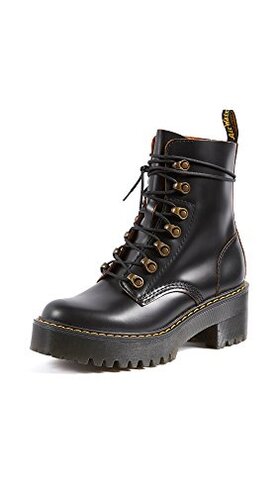
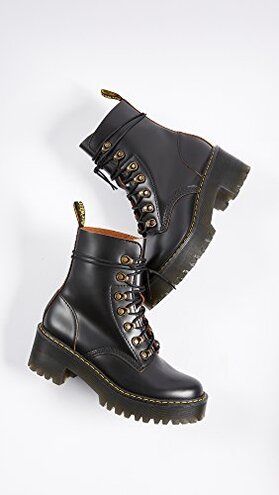
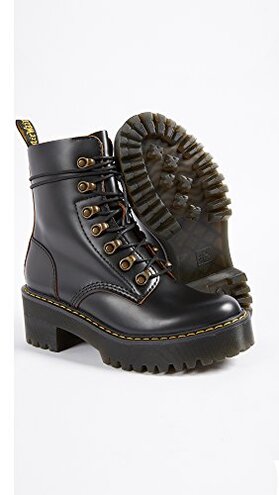
Product evaluated: Dr. Martens Women's Leona Leather Heeled Boot, Black Smooth, 8
Related Videos For You
Easy Way To Break In New Boots
STOP Ruining Your Boots With Saddle Soap | How to Clean and Condition Leather Boots The Right Way!
Data basis: This report draws on hundreds of shopper impressions collected from written feedback and video demonstrations between 2023 and 2026. Most input came from longer written accounts, with video use clips helping confirm comfort, fit, and wear patterns during real daily use.
| Buyer outcome | This boot | Typical mid-range alternative |
| Break-in comfort | Higher risk of painful early wear and longer adjustment time | Usually easier first-week comfort with less effort |
| Fit consistency | Less predictable sizing feel, especially with thicker socks | More forgiving fit across normal daily use |
| All-day wear | More disruptive once weight and heel height stack up | Typically steadier for commuting and long standing |
| Upkeep burden | More upkeep to keep the leather looking presentable | Usually lower visible maintenance demands |
| Regret trigger | Looks great but feels harsher and less forgiving than expected | Less striking style, but fewer comfort surprises |
Does the break-in pain feel worse than a normal boot?
Yes, this appears to be a primary issue and among the most common complaints. The regret moment usually shows up on the first few wears, especially during walking, commuting, or standing for longer stretches.
That matters because some stiffness is normal in boots, but buyers repeatedly describe this pair as less forgiving than a typical mid-range heeled boot. The trade-off is clear: strong style appeal, but more effort and discomfort before the fit settles.
Pattern: The complaint appears repeatedly across mixed feedback and is not universal, but persistent enough to shape buying regret.
Worse conditions: It tends to feel harsher with long sessions, uphill walking, and days when you cannot switch shoes.
Illustrative excerpt: “Cute instantly, but my heels were done after one short outing.” Primary pattern.
Will the sizing leave you guessing?
- Frequency tier: Primary issue, with fit uncertainty reported commonly enough to matter before purchase.
- When it hits: The problem usually appears at first try-on or during the first day outside, when heel slip or toe crowding becomes obvious.
- Why frustrating: A heeled boot should still feel secure, but this one is often described as less predictable than normal for the category.
- Common pattern: The fit can feel off depending on sock thickness, foot width, and whether you expect room for break-in.
- Hidden requirement: Many buyers end up needing sock strategy or extra inserts to make the fit usable, which adds cost and trial-and-error.
- Buyer impact: That extra adjustment can turn a stylish purchase into a return risk if you need comfort right away.
- Fixability: Inserts or thicker socks can help sometimes, but they do not solve every fit mismatch.
- Illustrative excerpt: “Not quite small, not quite roomy, just awkward with normal socks.” Primary pattern.
Is the weight and heel more tiring than expected?
- Severity: This is a secondary issue, less frequent than break-in pain but more frustrating when it shows up during daily wear.
- Usage moment: It becomes noticeable after several hours of walking, commuting, or standing on harder floors.
- Why it stands out: Platform and heel boots always ask more of your feet, but this pair is often described as heavier-feeling than buyers expected from the look.
- Compounding factor: If the fit is already stiff, the extra bulk makes fatigue show up faster.
- Real-life cost: That can limit these boots to shorter outings instead of all-day use.
- Comparison point: Typical mid-range alternatives are often easier to wear through a full workday or travel day.
- Illustrative excerpt: “Fine for dinner, not the pair I would choose for city walking.” Secondary pattern.
Does the finish upkeep demand more attention than you want?
- Pattern statement: This is a secondary issue that shows up repeatedly among buyers who care about appearance over time.
- When it appears: The concern tends to start after regular wear, when scuffs and surface marks become easier to notice.
- Why regret happens: Buyers often expect sturdy boots to be low-fuss, but this pair can need more routine care to keep its polished look.
- Category contrast: Some maintenance is reasonable for leather boots, but the visible finish here can feel less forgiving than many mid-range alternatives.
- Hidden requirement: Keeping them looking good may require polish and upkeep, not just a quick wipe.
- User impact: If you wear them often in rough weather or crowded spaces, the upkeep can add extra steps you may not want.
- Fixability: Care helps, but it creates an ongoing maintenance habit, not a one-time solution.
- Illustrative excerpt: “They mark fast, and I had to baby them more than expected.” Secondary pattern.
Who should avoid this
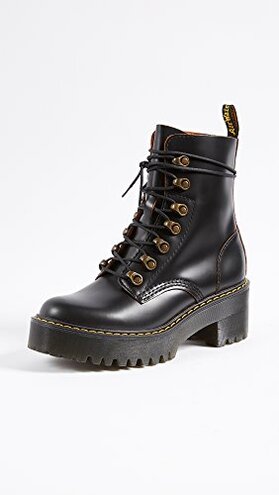
- Avoid these if you need comfort on day one for work, travel, or events with long walking.
- Avoid them if your feet are hard to fit and you dislike trial-and-error with socks or inserts.
- Avoid them if you want a heeled boot for all-day standing, because fatigue risk appears higher than normal.
- Avoid them if you prefer shoes that stay presentable with minimal care.
Who this is actually good for
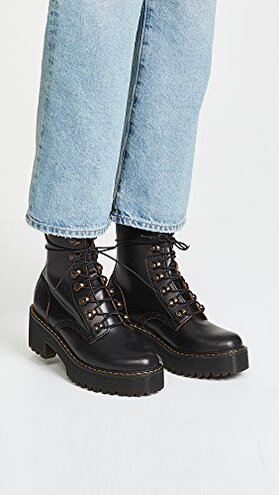
- Good fit for buyers who want a bold look and can tolerate a longer break-in period.
- Good fit for people wearing them mainly for short outings, where weight matters less.
- Good fit for buyers already familiar with Doc-style stiffness and willing to manage fit carefully.
- Good fit for shoppers who do not mind regular upkeep to preserve the finish.
Expectation vs reality
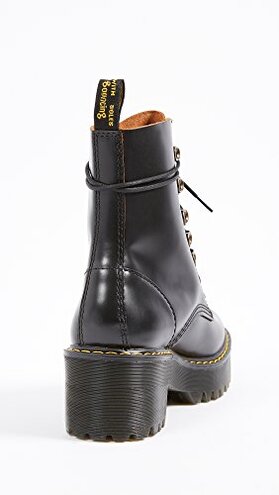
Expectation: A stylish heeled boot should need some break-in, but still feel manageable after a few wears.
Reality: Feedback commonly points to a rougher start that feels worse than reasonable for this category.
Expectation: Sizing should be close enough that normal socks solve minor differences.
Reality: The fit can feel in-between, leading some buyers into inserts, thicker socks, or returns.
Expectation: A sturdy boot should handle regular use without much extra thought.
Reality: The visible finish may need more maintenance than buyers expect from an everyday pair.
Safer alternatives
- Choose softer uppers if your main concern is early pain, because that directly reduces the harsh break-in risk.
- Prioritize wide-fit or half-size options if fit uncertainty usually causes returns for you.
- Look for lighter heeled boots if you plan to commute, travel, or stand for long periods.
- Pick lower-maintenance finishes if you want everyday wear without regular polishing.
- Test with your real socks before keeping any similar boot, which helps catch the hidden fit requirement early.
The bottom line
Main regret usually comes from the mix of hard break-in, uncertain fit, and heavier all-day feel. Those problems exceed normal category risk because they can require extra time, extra accessories, or a return before the boots become usable. Verdict: Avoid them if you need immediate comfort or predictable sizing, and consider them only if style matters more than convenience.
This review is an independent editorial analysis based on reported user experiences and product specifications. NegReview.com does not sell products.