
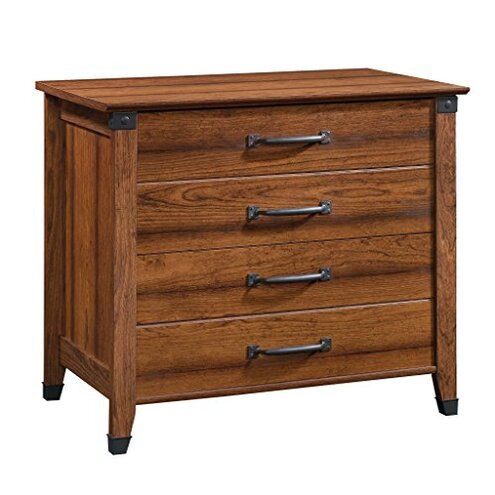
Product evaluated: Sauder Palladia File Cabinet with 2 Drawers, Safety Mechanism, Lateral File Cabinet - Select Cherry Finish
Related Videos For You
Dawson 4 drawer filing cabinet - install sliders
Fixing A Poorly Aligned Drawer / Drawer Slide Problem
Data basis: This report draws from dozens of buyer comments collected from written feedback and video-style demonstrations between 2023 and 2026. Most feedback came from longer written accounts, with shorter visual walk-throughs helping confirm where setup trouble and drawer performance problems show up in real use.
| Buyer outcome | Sauder cabinet | Typical mid-range alternative |
|---|---|---|
| Setup effort | Higher risk of long, frustrating assembly and alignment issues after unboxing | Usually easier to assemble with fewer fit surprises |
| Drawer feel | Less forgiving if assembly is slightly off, especially during first weeks of use | More tolerant of small setup errors in daily opening and closing |
| Stability confidence | Mixed confidence once loaded, especially if floor or setup is not ideal | More predictable under normal home office use |
| Finish expectations | More complaint-prone when buyers expect a heavier, furniture-like feel | Closer match to what mid-range shoppers usually expect |
| Regret trigger | Time lost on assembly followed by drawers that still do not feel right | Usually regret centers on looks, not function |
Do you want a file cabinet that feels usable the same day it arrives?
Assembly friction is among the most common complaints, and it hits at the worst moment: right after delivery, when buyers expect a simple furniture build. The trade-off is clear here: lower purchase cost than some office cabinets, but more setup time and more chances for frustration.
This pattern appears repeatedly, not universally, but often enough to stand out as a primary issue. It gets worse when one person tries to build it alone or when buyers expect the “simple assembly” claim to mean quick setup.
Category contrast: some assembly is normal for this type of cabinet, but buyers commonly describe this one as more demanding than a typical mid-range alternative. That matters because the extra effort does not always guarantee smooth drawer action afterward.
- Early sign: confusion starts during part sorting and drawer assembly, before the cabinet is even upright.
- Frequency tier: this is a primary issue in aggregated feedback, stronger than cosmetic complaints.
- Hidden requirement: buyers often need extra patience, floor space, and sometimes another person to keep panels aligned.
- Impact: mistakes made during setup can carry into daily use, especially with drawer fit and slide smoothness.
- Fixability: careful rechecking can help, but it adds extra steps and time that many buyers did not plan for.
Illustrative: “I thought this would be a quick build, but it turned into my whole evening.”
Pattern: This reflects a primary complaint about setup time and effort.
Will the drawers feel smooth once you finally finish building it?
- Main pain: drawer alignment and glide problems are a primary issue, and they usually appear right after setup or during the first regular use.
- Pattern signal: this shows up recurringly across feedback, especially from buyers who say they followed the directions carefully.
- Usage moment: the frustration appears when opening a full drawer, pushing it closed, or trying to reach hanging files quickly during work.
- Why worse: most mid-range file cabinets should tolerate small assembly variation, but this one seems less forgiving than expected.
- Buyer impact: instead of a smooth office routine, users can end up nudging, lifting, or reopening drawers to get them seated correctly.
- Attempts: some buyers try loosening and retightening parts or redoing slides, which can help but adds more labor after a long build.
- Severity cue: this is more disruptive than finish issues because it affects the cabinet every time you use it.
Illustrative: “The drawers look fine, but they never seem to close quite right.”
Pattern: This reflects a primary function complaint that shows up during daily handling.
Are you expecting sturdy, furniture-like quality for the price?
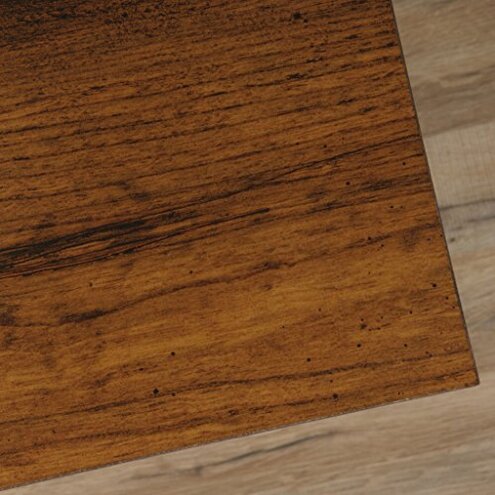
Expectation mismatch is a secondary issue, but it is more frustrating when it happens because buyers often choose this style for a polished office look. The regret moment comes after setup, when the cabinet is assembled but does not feel as substantial as hoped.
This pattern is persistent rather than universal, and it tends to show up from buyers comparing it with heavier office furniture. It feels worse than normal category trade-offs because the cabinet is large and expensive enough to raise sturdiness expectations.
- Context: disappointment usually appears after setup, once buyers start judging the feel rather than the photos.
- Frequency tier: this is a secondary issue, behind assembly and drawer operation.
- What buyers notice: the cabinet can feel less premium than expected for a piece meant to anchor a home office.
- Why it matters: when a product looks executive-style, buyers expect a more confidence-inspiring daily feel.
- Category contrast: mid-range file cabinets often make some compromises, but the mismatch here seems more noticeable because of the cabinet’s size and furniture styling.
- Mitigation: buyers focused more on appearance than heavy daily filing tend to tolerate this better.
Illustrative: “It looks nice from across the room, but up close it feels less impressive.”
Pattern: This reflects a secondary complaint about perceived value and finish expectations.
Do you need something forgiving for heavy day-to-day filing?
- Use-case risk: daily office users report more frustration than occasional users, making this an edge-case to secondary problem depending on workload.
- When it shows: the issue tends to appear during repeated use, especially when drawers are opened often and filled with hanging files.
- Worsening condition: small setup imperfections become more noticeable when the cabinet is used like a true workhorse instead of light storage.
- Severity cue: this is less frequent than assembly complaints but more costly in annoyance when the cabinet becomes part of a daily routine.
- Category contrast: a reasonable category expectation is consistent access to files, and this model seems less forgiving under frequent handling than many mid-range alternatives.
- Practical result: users may adapt their habits, open drawers more carefully, or avoid loading them as aggressively.
- Who notices most: home offices with constant document access feel this pain more than rooms where the cabinet is opened only sometimes.
- Fixability: there is no simple guaranteed fix once the cabinet is loaded and in place, beyond adjustment or reduced expectations.
Illustrative: “Fine for occasional papers, but not the smooth work cabinet I needed.”
Pattern: This reflects an edge-case to secondary complaint tied to heavier daily use.
Who should avoid this
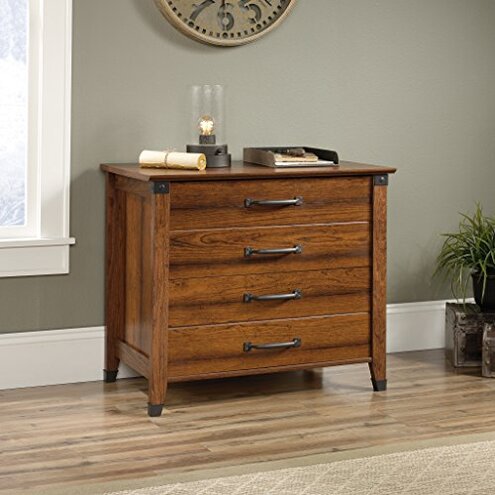
- Avoid it if you want a low-stress build, because setup trouble is a primary complaint and seems higher than normal for this category.
- Skip it if smooth drawers matter more than looks, since function complaints are more disruptive than simple cosmetic disappointment.
- Pass if you need a cabinet for heavy daily filing, because this model appears less forgiving when used often.
- Look elsewhere if your tolerance for rework is low, since some buyers end up adjusting parts after full assembly.
Who this is actually good for
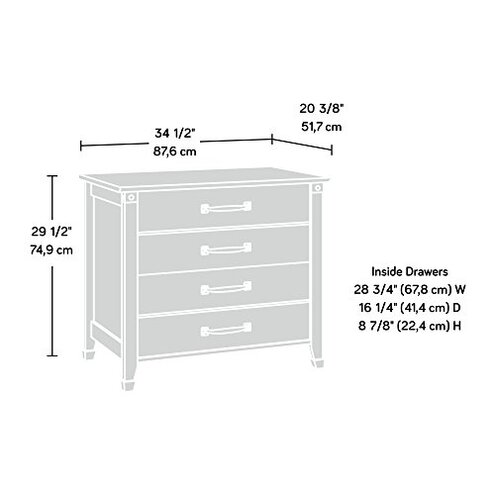
- Better fit for buyers who mainly want the lateral-file look and can tolerate a longer assembly session.
- Reasonable choice for occasional home office filing where drawers will not be opened constantly all day.
- Works better for patient builders who do not mind careful step-by-step setup and minor post-build adjustment.
- Acceptable if you value matching room style more than rugged, office-grade feel.
Expectation vs reality
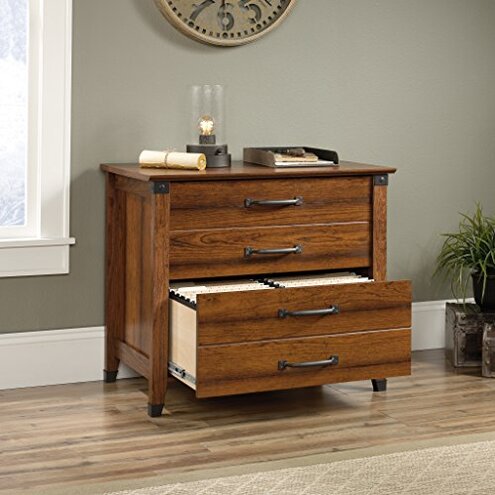
Expectation: a reasonable category expectation is that assembly takes effort, but drawers work smoothly if instructions are followed.
Reality: feedback suggests this cabinet can still be touchy about alignment, making setup mistakes more punishing than expected.
Expectation: a cabinet at this size should feel solid enough to inspire confidence in daily use.
Reality: some buyers report a less substantial feel than the styling and price lead them to expect.
Expectation: “safety mechanism” and full-extension drawers sound like convenience upgrades.
Reality: if assembly is even slightly off, those features can feel like extra complexity rather than a benefit.
Safer alternatives
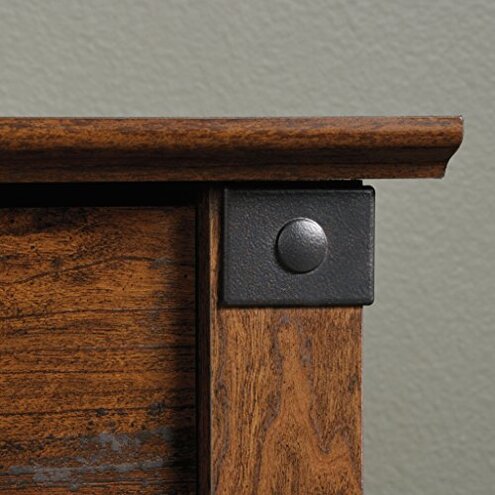
- Prioritize pre-assembled or partially assembled file cabinets if your main risk is long, frustrating setup.
- Look for buyer-shared videos showing drawer movement under real use, which helps screen out models with alignment sensitivity.
- Choose simpler drawer designs if you need dependable daily access more than furniture styling.
- Check for forgiving assembly language and repeated comments about smooth drawer operation, not just appearance.
- Match the cabinet to your workload, because light-use storage needs are very different from all-day filing needs.
The bottom line
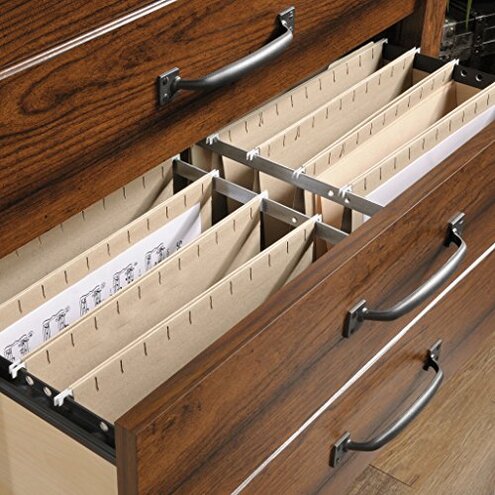
Main regret starts with assembly time and often gets worse if the drawers do not feel right afterward. That exceeds normal category risk because a typical mid-range file cabinet should be more forgiving once built. Verdict: avoid this one if you want dependable function first, especially for frequent filing or low-hassle setup.
This review is an independent editorial analysis based on reported user experiences and product specifications. NegReview.com does not sell products.