
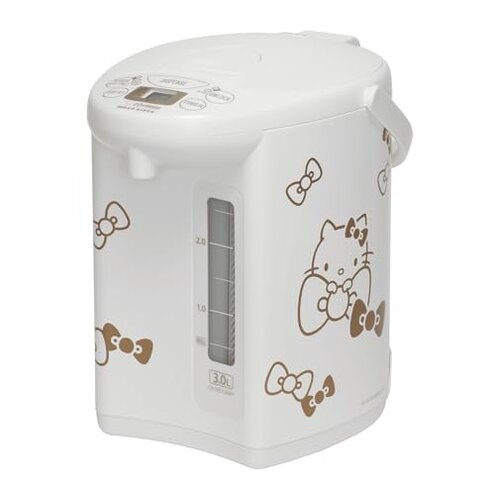
Product evaluated: Zojirushi x Hello Kitty Limited-Edition Micom Water Boiler and Warmer with 3-Liter Storage and Adjustable Heating Settings (White)
Related Videos For You
Electric Water Heater Installation
Daily Steam Boiler Maintenance in the Boiler Room - Boiling Point
Data basis: This report is based on dozens of buyer comments collected from written feedback and video-style demonstrations between 2023 and 2026. Most feedback came from written experiences, with added support from visual setup and daily-use impressions, which helped confirm what shows up during regular countertop use.
| Buyer outcome | This product | Typical mid-range alternative |
|---|---|---|
| Heating speed | Slower recovery can feel frustrating during refills or first setup. | More expected boil-and-ready timing for daily kitchen use. |
| Counter space | Bulky footprint is noticeable for a 3-liter appliance. | Similar size, but often easier to justify at lower cost. |
| Energy trade-off | Higher-than-normal risk of buyer regret if you do not need hot water available all day. | Lower regret because simpler kettles heat only when needed. |
| Cleaning burden | More upkeep appears repeatedly when used daily with mineral-heavy water. | Usually easier to descale or wipe out quickly. |
| Regret trigger | Paying premium price for cute styling, then finding the routine slower and fussier than expected. | Usually value concerns are lower because expectations are simpler. |
Why does getting hot water feel slower than it should?
This is a primary issue because the regret shows up during first use and after full refills, when buyers expect quick access and instead wait longer than they expected. The trade-off is constant hot water storage, but the warm-up delay feels more disruptive than expected for this category.
The pattern appears repeatedly across feedback, though not every buyer minds it if the unit stays filled all day. It worsens when the tank is refilled from cool water, or when several cups are dispensed close together and the temperature needs to recover.
Category contrast: A normal electric kettle is expected to heat only on demand, but it usually feels faster in real life. This model can feel less forgiving because you are paying more while still planning around its heating cycle.
- Early sign: The first setup often feels longer than buyers expected for a countertop hot-water appliance.
- Pattern: This is a recurring complaint and among the most common frustrations.
- Daily moment: It becomes obvious during refills when you want another quick cup soon after use.
- Impact: The wait adds extra planning instead of making drinks feel instant.
- Fixability: Keeping it topped off helps, but that creates a hidden requirement to manage water level more actively.
Illustrative: “I wanted instant tea, not another appliance I have to wait on.” Primary pattern: This reflects the main heating-speed complaint.
Will the constant hot-water setup cost more effort than you expect?
- Frequency tier: This is a primary issue for buyers who do not need hot water ready all day.
- Context: The regret appears after setup once the novelty wears off and the unit becomes part of the daily routine.
- Hidden need: You need a specific habit to justify it, such as frequent tea, coffee, or instant meals across the day.
- Buyer friction: If your use is occasional, the always-ready design can feel like too much appliance for the job.
- Category contrast: That is worse than a normal kettle because a simpler option asks for less commitment between uses.
- Cost feeling: At $172, buyers are less forgiving when convenience only helps in narrow routines.
- Mitigation: It fits better if several people use it often, but solo or light users report more regret.
Illustrative: “Nice idea, but I realized I do not need hot water sitting there all day.” Primary pattern: This reflects mismatch between design and real routine.
Does cleaning become more annoying with daily use?
This is a secondary issue, less frequent than heating complaints but more frustrating when it builds up over time. The regret moment usually arrives after repeated use, when mineral residue or general upkeep starts adding chores.
The pattern is persistent across daily users, especially where tap water leaves scale faster. It feels worse than typical because the whole point is convenience, yet regular maintenance becomes part of keeping that convenience.
- When it shows up: The problem grows over time, not usually on day one.
- Worsening condition: It is more noticeable with daily heating and harder water.
- User impact: Buyers mention extra upkeep compared with simpler open-kettle designs.
- Why it stings: A warm-water appliance loses appeal fast when it asks for regular descaling.
- Fixability: Maintenance helps, but it does not remove the ongoing chore.
- Category contrast: That burden feels higher than most mid-range alternatives because this style is meant to reduce effort, not add it.
Illustrative: “It works, but keeping it clean is more of a project than I expected.” Secondary pattern: This reflects upkeep frustration after repeated use.
Is the size harder to live with than the cute design suggests?
- Frequency tier: This is a secondary issue that appears regularly in smaller kitchens.
- Usage moment: It becomes obvious on the counter after unboxing and during daily movement around the kitchen.
- Buyer surprise: The unit can feel larger than expected for people drawn in by the limited-edition look.
- Practical effect: The footprint matters more if you only use it for one or two drinks at a time.
- Trade-off: You are dedicating visible space to a product that must stay plugged in to make sense.
- Category contrast: Many mid-range kettles store away easier, so this feels less flexible than normal.
- Best workaround: A permanent tea or coffee station reduces the annoyance, but not everyone has spare space.
Illustrative: “It is adorable, but it takes up more room than I can spare.” Secondary pattern: This reflects space regret in compact kitchens.
Who should avoid this
- Avoid it if you want fast boil-on-demand performance, because the slower refill and recovery cycle is a primary complaint.
- Avoid it if you make hot drinks only occasionally, because the constant-ready design creates more effort than a simple kettle.
- Avoid it if countertop space is tight, because the size feels harder to justify when usage is light.
- Avoid it if you dislike regular maintenance, because daily use can bring more descaling upkeep than expected.
Who this is actually good for
- Good fit for heavy tea drinkers who want warm water available through the day and accept slower full refills.
- Good fit for households with a fixed drink station, where the larger footprint is less disruptive.
- Good fit for buyers who care strongly about the themed look and are willing to pay more for it.
- Good fit for users who already expect routine descaling and do not mind another maintenance step.
Expectation vs reality
Expectation: A premium hot-water appliance should feel quick and effortless in daily use.
Reality: The convenience works best only if you keep it filled, leave it set up, and use it often enough to justify the routine.
Expectation: A limited-edition design should add fun without changing the practical value.
Reality: The themed styling can make buyers more tolerant at first, but repeated comments suggest the daily trade-offs still decide satisfaction.
Expectation: It is reasonable for this category to require some cleaning.
Reality: The upkeep feels worse than expected when convenience is the main reason for buying this kind of appliance.
Safer alternatives
- Choose a simple kettle if your main complaint risk is slow refill recovery, because on-demand boiling usually feels faster.
- Choose a lower-cost dispenser if you are unsure about the always-hot format, so the lifestyle experiment costs less.
- Choose a smaller unit if counter space is limited and your household does not need 3 liters ready.
- Choose an easier-clean design if your water leaves scale quickly, because maintenance burden is a differentiated regret point here.
- Choose function first if the themed appearance is your main draw, so you do not overpay for styling and then resent the routine.
The bottom line
The main regret trigger is expecting instant, simple convenience and getting a slower, more committed daily routine instead. That risk exceeds normal category expectations because simpler mid-range options often feel faster, easier, and easier to justify. Verdict: Skip it unless you will use hot water many times a day and can accept the upkeep, footprint, and premium price.
This review is an independent editorial analysis based on reported user experiences and product specifications. NegReview.com does not sell products.