
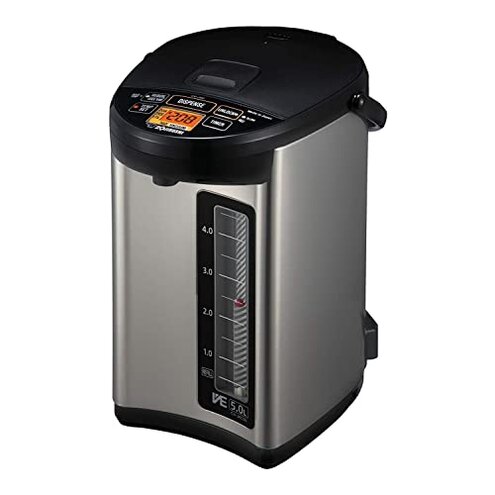
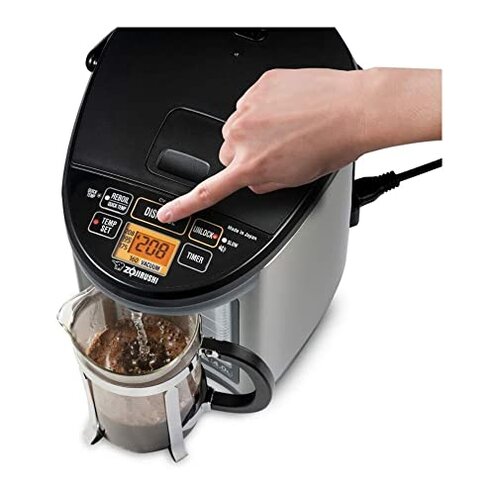
Product evaluated: Zojirushi CV-JAC50XB 5.0 Liter VE Hybrid Water Boiler and Warmer (Stainless Black)
Related Videos For You
Electric Water Heater Installation
Flush or Drain Your Water Heater | DIY Electric Water Heater Maintenance | Prevent Tank Failure
Data basis This report summarizes hundreds of buyer comments collected from written feedback and video-style demonstrations between 2021 and 2026. Most input came from longer written reviews, with added context from visual setup and daily-use impressions, which helps show what problems appear first and what frustrations keep coming up later.
| Buyer outcome | This product | Typical mid-range alternative |
|---|---|---|
| Heat-up patience | Higher risk of feeling slow during first fill or full refills. | Usually faster to feel ready for daily use. |
| Counter space | Bulkier feel can be harder to place in smaller kitchens. | Easier fit in tighter spaces. |
| Daily convenience | Strong once water is already hot and held at temperature. | Mixed convenience, but often simpler to refill or move. |
| Upkeep tolerance | More demanding if you are sensitive to maintenance steps and refill timing. | Usually easier to live with casually. |
| Regret trigger | Paying premium money and still feeling slowed down by refill cycles and size. | Lower cost regret if performance is merely average. |
Do you expect hot water fast after a refill?
This is the primary issue. A recurring frustration is that the unit can feel slower than expected when starting from empty or after a big refill. That regret hits during morning drink prep, when buyers expect instant convenience but instead wait through a full reheating cycle.
Pattern wise, this appears repeatedly across longer ownership feedback, not just one-off complaints. For this category, some heating delay is normal, but buyers often describe this model as more disruptive because its whole value pitch is ready hot water.
Illustrative excerpt: “I bought convenience, but refills still leave me waiting too long.” Primary pattern.
During use, the annoyance gets worse in larger households or tea-heavy days, because frequent dispensing leads to more refill-and-reheat moments. If you mostly top up small amounts or keep it full, the problem is less noticeable.
Will the size become annoying on your counter?
- Frequency tier: This is a secondary issue, but it appears repeatedly among buyers with limited counter room.
- When it shows up: The problem starts right after setup, especially in apartments, shared kitchens, or under low cabinets.
- What buyers notice: The 5.0 liter format can feel bigger than expected in daily placement, even before adding surrounding clutter.
- Why it stings: In this category, large capacity usually means some footprint trade-off, but this can feel less forgiving than many mid-range options because it tends to become a permanent counter resident.
- Daily impact: The bulk makes refilling, repositioning, and cleaning around it a little more annoying than buyers expected.
- Attempted workaround: People who try storing it away often find that the size and refill routine make put-away convenience unrealistic.
- Fixability: This is hard to fix unless you truly need the larger capacity every day.
Illustrative excerpt: “It works, but now it owns a whole section of my counter.” Secondary pattern.
Are you okay with hidden maintenance habits?
- Hidden requirement: A persistent complaint is that this kind of appliance works best when owners accept ongoing upkeep habits, not just plug-and-play use.
- When it matters: The friction appears after setup, once regular refilling, water choice, and cleaning rhythm become part of daily life.
- Why buyers feel misled: The promise of one-touch hot water can sound simple, but long-term satisfaction often depends on more attention than casual buyers expect.
- Category contrast: Some maintenance is normal for water boilers, yet this can feel more effort-heavy than typical because buyers often choose it to remove kitchen friction, not add routines.
- Impact: If you skip care steps or refill inconsistently, small annoyances can stack into lower convenience over time.
- Who notices most: This issue is more visible in daily heavy use than occasional use.
Illustrative excerpt: “I wanted easy tea water, not another thing to manage.” Primary pattern.
Does the premium price make small annoyances feel bigger?
- Ranking: This is among the most frustrating trade-offs, even when the unit performs as intended.
- When it hits: Regret usually appears after the first weeks, once buyers compare the price to the daily inconvenience they still feel.
- Pattern: This is not universal, but it is persistent among value-focused shoppers.
- What changes perception: At $285, buyers tend to judge every slow refill, space issue, or maintenance step more harshly.
- Category contrast: Premium appliances are usually expected to remove more friction, so even normal category compromises can feel worse than expected here.
- Result: The regret trigger is less about one defect and more about paying premium money for a product that still demands patience and planning.
- Mitigation: Buyers who use hot water many times every day are more likely to justify the price than occasional users.
Illustrative excerpt: “It’s good, but not good enough to stop noticing the price.” Secondary pattern.
Who should avoid this
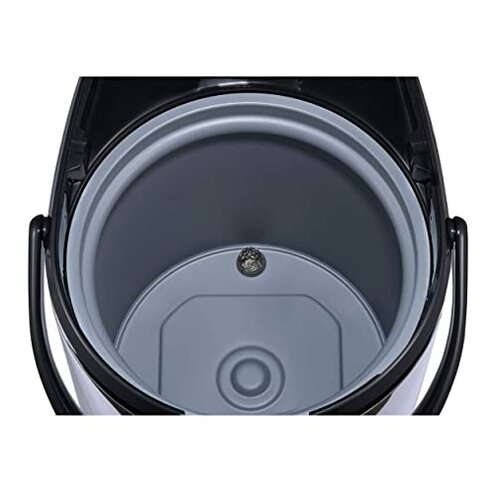
- Small-kitchen buyers should avoid it if counter space is already tight, because the larger body becomes a constant daily obstacle.
- Impatient users should avoid it if refill speed matters, since the heating delay is a primary complaint during busy drink times.
- Low-maintenance shoppers should avoid it if they want true set-and-forget convenience, because ongoing care habits are a hidden requirement.
- Occasional tea drinkers should avoid it if they only need hot water sometimes, because the premium price is harder to justify.
Who this is actually good for
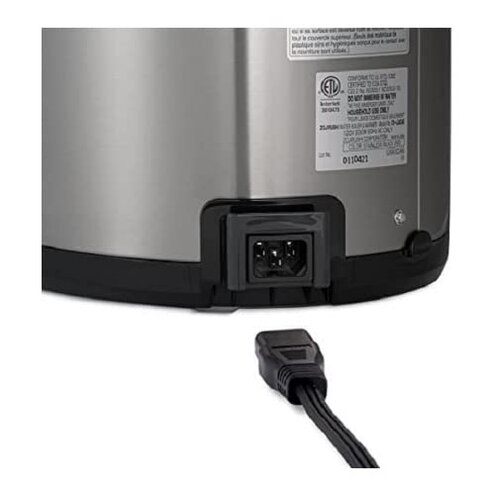
- Heavy hot-water households may still like it if they use many cups daily and can tolerate slower full reheats.
- Tea-focused users may accept the upkeep if stable held temperature matters more than compact size.
- Dedicated counter-space owners may be fine with it if they can leave it out permanently and avoid moving it often.
- Routine-driven users may adapt well if they do not mind refill and cleaning habits becoming part of kitchen life.
Expectation vs reality
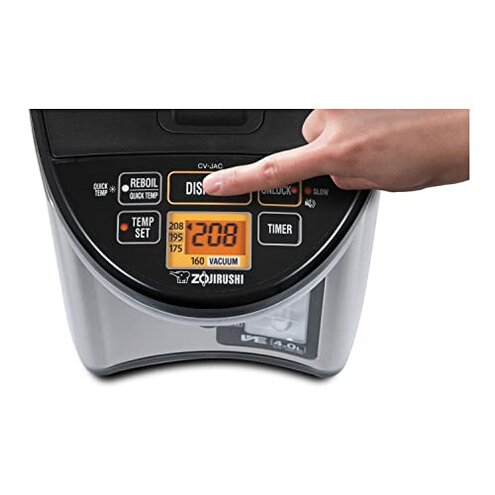
Expectation: A premium hot water boiler should feel nearly instant for everyday use.
Reality: After refills, the waiting can still feel longer than expected, which undercuts the convenience promise.
Expectation: Large capacity should reduce hassle.
Reality: Larger size helps less often if your kitchen space is tight or your refill routine becomes awkward.
Expectation: Some upkeep is reasonable for this category.
Reality: The effort can feel worse than expected because buyers often choose this type of product specifically to simplify daily drinks.
Safer alternatives
- Choose smaller capacity if your household does not need 5.0 liters daily, because that lowers counter-space regret and refill burden.
- Prioritize faster recovery if you often empty and refill during the day, since that directly reduces the biggest convenience complaint.
- Look for simpler upkeep if you want casual ownership, because hidden maintenance habits are a major mismatch point here.
- Set a lower budget ceiling if you are value-sensitive, because premium pricing makes normal category compromises feel more irritating.
The bottom line
Main regret comes from paying a premium for convenience, then still dealing with slow-feeling reheats, large size, and upkeep routines. That exceeds normal category risk because these trade-offs are more noticeable than buyers expect at this price. Avoid it if you want fast refill recovery, low-maintenance ownership, or a compact kitchen fit.
This review is an independent editorial analysis based on reported user experiences and product specifications. NegReview.com does not sell products.