
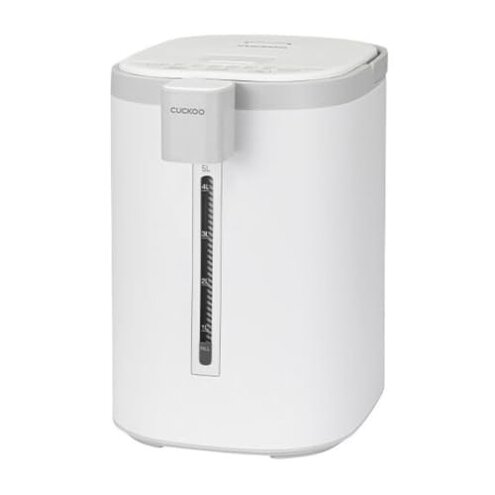
Product evaluated: CUCKOO CWP-A501TW 5-Liter Hot Water Dispenser & Warmer with 4 Operating Modes, Chlorine Evaporation, Child Lock Function (White/Gray)
Related Videos For You
How To Install Instant Hot Water Dispenser - InSinkErator
How To Flush A Hot Water Heater To Remove Sediment
Data basis: This report uses dozens of buyer comments gathered from written feedback and video-style demonstrations collected across the recent retail period. Most input came from short written experiences, with supporting detail from longer setup and daily-use impressions, which helps show what goes wrong after regular kitchen use, not just at unboxing.
| Buyer outcome | This dispenser | Typical mid-range alternative |
|---|---|---|
| Daily convenience | Mixed; repeated feedback points to extra button steps and waiting during normal refills. | More predictable; usually fewer steps to get hot water during routine use. |
| Noise impact | Higher risk; recurring complaints mention sounds during heating that feel more noticeable than expected. | Moderate; some sound is normal, but usually less distracting in shared spaces. |
| Cleaning burden | Above normal; upkeep appears repeatedly as a frustration after repeated use. | Average; still needs cleaning, but often feels less fussy day to day. |
| Ease after setup | Less forgiving; several buyers describe a learning curve with modes and lock behavior. | Simpler; mid-range units are often easier to understand quickly. |
| Regret trigger | Convenience mismatch; buyers expected fast hot water, but got more maintenance and operating friction. | Lower mismatch; usually closer to the category promise of quick, easy access. |
Why does getting hot water feel slower than it should?
Primary issue: A recurring frustration is that the product can feel less direct than buyers expect during daily use. The regret moment usually happens after setup, when someone wants a quick cup and realizes the controls add extra steps.
Not universal, but this pattern appears repeatedly in feedback focused on convenience. For a countertop hot water dispenser, that lands harder than normal because the category baseline is speed with low effort.
- When it hits: The problem shows up most clearly during rushed mornings or repeated refills, when buyers expect one simple action.
- Pattern strength: This is among the most common complaints, more disruptive than cosmetic dislikes or size concerns.
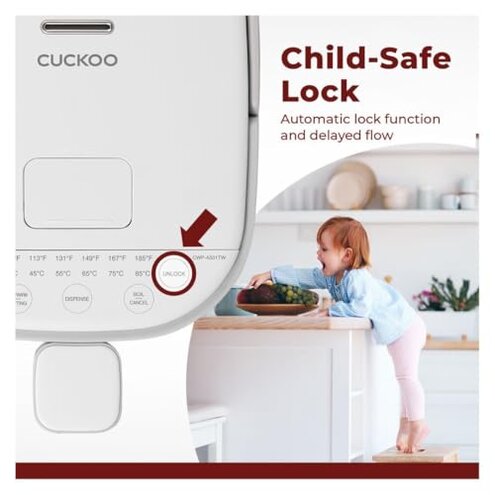
- What buyers notice: The controls and safety delay can make dispensing feel slower than expected for a kitchen appliance sold on convenience.
- Why it stings: A typical mid-range alternative still has safety steps, but often feels more intuitive and faster to live with.
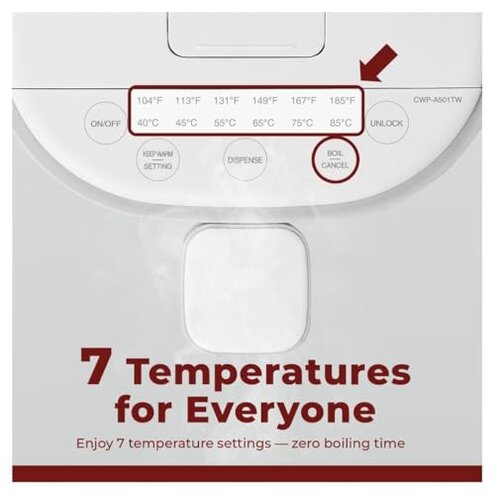
- Hidden requirement: You may need to learn mode behavior and button timing before it feels natural, which is extra effort many buyers did not expect.
Illustrative: “I bought speed, but every cup still takes extra button work.” Primary pattern
Does the noise become annoying in a quiet kitchen?
Secondary issue: Noise complaints are less frequent than convenience friction, but more frustrating when the unit sits in an open kitchen or office corner. The issue tends to show up during heating cycles, especially when the room is otherwise quiet.
Persistent feedback suggests the sound is not always a defect, but it can still feel louder than expected for this category. That matters because buyers often choose this type of appliance expecting a background tool, not something they keep noticing.
Category contrast: Some heating noise is normal, but the annoyance feels higher here when people use it near desks, bedrooms, or shared living spaces. In that context, even normal operation can feel like a poor fit.
Mitigation: Placement helps, but that is a compromise, not a full fix. If your kitchen is small, the noise risk is harder to ignore.
Illustrative: “It works, but I hear it every time it reheats.” Secondary pattern
Will cleaning and upkeep turn into a chore?
- Primary upkeep: Cleaning burden appears repeatedly after repeated use, especially for buyers who expected low-maintenance hot water on demand.
- Why now: The regret usually starts after the first stretch of daily use, when owners realize upkeep is part of keeping performance acceptable.
- Category gap: All hot water dispensers need care, but this seems less forgiving than many mid-range alternatives if you want hassle-free ownership.
- User impact: The extra maintenance adds time and can reduce the “always ready” feeling that motivated the purchase.
- Expectation miss: Features like chlorine evaporation sound helpful, but they do not remove the need for regular attention.
- Fixability: This is manageable if you stay consistent, but that still means more effort than many shoppers planned for.
Illustrative: “I wanted convenience, not another thing to maintain weekly.” Primary pattern
Is the learning curve worse than expected for a simple kitchen appliance?
- Secondary friction: Several comments describe confusion with modes, lock behavior, or temperature expectations right after setup.
- Where it shows: This tends to happen on first use and continues into the first days of ownership if the manual is needed often.
- Why it matters: Buyers usually expect a dispenser to be self-explanatory, so extra reading and trial-and-error feel like a mismatch.
- Pattern signal: This is not as common as convenience complaints, but it appears across different feedback styles.
- Worse than normal: Mid-range alternatives in this category often trade fewer features for easier operation, which some buyers end up preferring.
- Hidden requirement: Patience is needed to understand what each mode actually changes in real use.
- Best-case outcome: People who enjoy appliance settings may adapt, but impatient users can regret the extra complexity.
Illustrative: “Too many settings for something that should be obvious.” Secondary pattern
Who should avoid this
- Busy households should skip it if they want near-instant, no-thought hot water with minimal button steps.
- Noise-sensitive buyers should avoid it if the dispenser will sit near a desk, studio, or quiet living area.
- Low-maintenance shoppers should look elsewhere if extra cleaning effort already annoys them in small appliances.
- Tech-averse users may regret it if they prefer simple controls over multiple modes and safety behavior.
Who this is actually good for
- Patient users may be fine with it if they accept a short learning curve in exchange for adjustable warming functions.
- Safety-focused homes may tolerate the slower feel because the child lock matters more than speed.
- Tea drinkers who keep one station for hot water may accept the upkeep if they value a larger hot-water reserve.
- Flexible kitchens can handle it better if the unit can be placed away from quiet seating or work areas.
Expectation vs reality
Expectation: A countertop hot water dispenser should feel faster and easier than a kettle for repeated cups.
Reality: Feedback repeatedly suggests this one can add control friction, which weakens that convenience advantage.
Expectation: Some heating sound is reasonable for this category.
Reality: The sound risk seems worse than expected for buyers using it in quiet spaces.
Expectation: Regular cleaning is normal for hot-water appliances.
Reality: Buyers commonly describe the upkeep here as more frequent or more noticeable than they planned for.
Safer alternatives
- Choose simpler controls if your main concern is quick access, because that directly reduces the button-delay frustration.
- Look for low-noise mentions in buyer feedback if the unit will live in an open kitchen or work area.
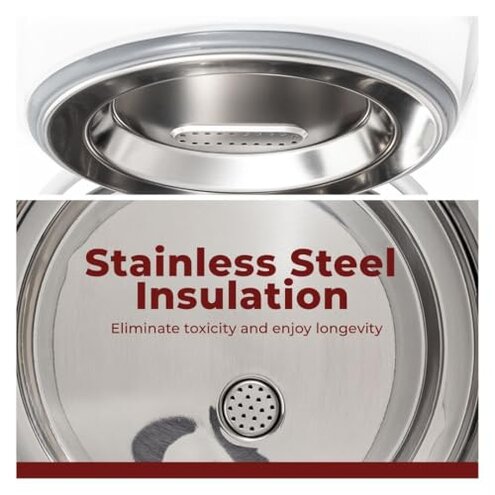
- Favor easy-clean designs if you know maintenance is the kind of chore you stop doing quickly.
- Prefer fewer modes if this appliance is for older family members or guests who need instant understanding.
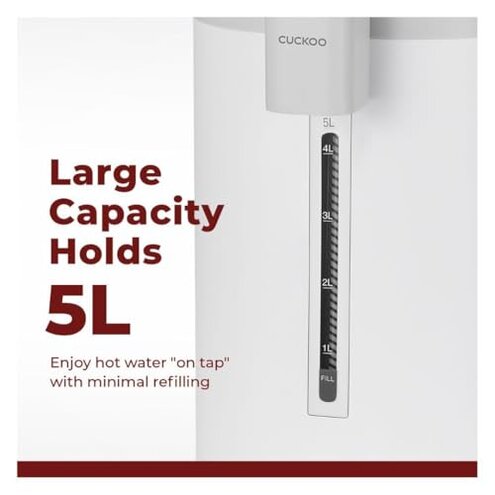
- Match capacity to use so you do not overbuy features and accept extra complexity you will not actually benefit from.
The bottom line
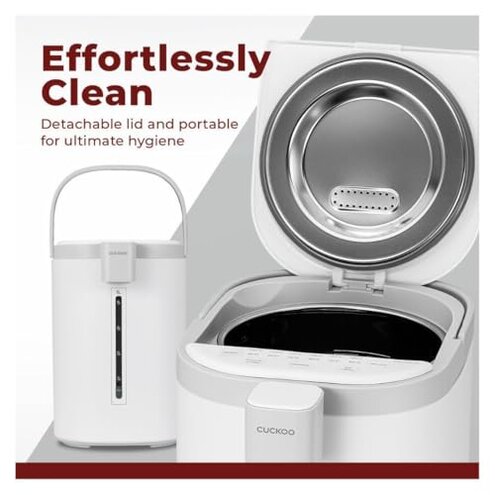
Main regret trigger: Buyers expecting effortless hot water often run into extra operating steps, noticeable reheating noise, and more upkeep than expected. That exceeds normal category risk because these are the exact jobs this appliance is supposed to simplify.
Verdict: Avoid it if your priority is true grab-and-go convenience. It fits better for buyers willing to trade some ease and quiet for features and capacity.
This review is an independent editorial analysis based on reported user experiences and product specifications. NegReview.com does not sell products.