
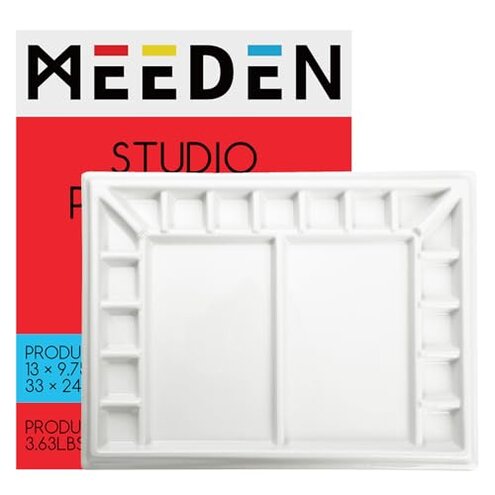
Product evaluated: MEEDEN Ceramic Watercolor Palette:Large Porcelain Artist Paint Palette Rectangle 13 x 9.8 inch - Art Mixing Tray for Gouache, Watercolor, Acrylic Painting - Without a Lid
Related Videos For You
Setting up my ceramic palette!
The Use And Care Of A Porcelain Watercolor Palette
Data basis This report draws on dozens of buyer comments collected from written feedback and video-style demonstrations between 2020 and 2026. Most input came from written reviews, with supporting detail from visual use reports that helped verify setup, handling, and cleaning complaints.
| Buyer outcome | MEEDEN palette | Typical mid-range alternative |
|---|---|---|
| Desk handling | Heavier feel can stay put better, but adds more strain during carrying and sink cleaning. | Lighter to move, usually easier to rinse and store between sessions. |
| Break risk | Higher-than-normal regret if dropped during washing or transport because the tray is rigid and heavy. | Moderate category risk, often less punishing to handle day to day. |
| Cleanup effort | Easy surface cleanup is a plus, but full-size washing can feel awkward after long sessions. | More balanced cleanup and carrying effort for casual users. |
| Storage fit | Large footprint takes more table and shelf space during daily use. | Usually easier to fit into smaller studio setups. |
| Regret trigger | Mismatch happens when buyers want portability but receive a heavy, fragile work tray. | Lower chance of surprise if you expect basic home-use flexibility. |
Do you want a palette you can move around easily?
Primary issue appears repeatedly when buyers shift from unboxing to actual desk-to-sink use. The tray can feel more disruptive than expected for this category because its size and weight matter most during cleanup, not while shopping.
Pattern is recurring rather than universal, especially for people painting in short sessions and putting tools away each time. A typical mid-range alternative is usually less tiring to lift, rinse, and dry after daily handling.
- Early sign: You notice the heft immediately on first use when moving it from table to water source.
- Frequency tier: This is a primary complaint and shows up more often than niche concerns like surface preference.
- Usage moment: The problem gets worse after painting when the tray is wet and harder to grip confidently.
- Impact: It adds extra effort for users who clean up often or paint in shared spaces.
- Buyer trade-off: The stable feel is nice on a desk, but the portability cost is higher than many expect.
Are you prepared for a bigger break risk during normal washing?
Persistent concern is not that it feels cheap, but that a heavy ceramic tray can be unforgiving once wet hands and sink edges are involved. That makes the regret sharper than normal category risk because one slip can end the product.
Context matters here: the risk appears during transport, sink rinsing, and storage moves, not while paint is sitting in wells. Many mid-range alternatives still require care, but this style is less forgiving in everyday handling.
Hidden requirement is that buyers may need a dedicated safe drying spot and a careful washing routine. If you expected casual grab-and-rinse convenience, this can feel like more upkeep than the category baseline.
- Trigger: The danger rises during cleanup when soap, water, and smooth surfaces reduce grip.
- Scope: This issue is seen across multiple feedback types, not just one kind of buyer comment.
- Severity: It is less frequent than weight complaints but more frustrating when it happens.
- Why worse: A lighter mixing tray usually causes less handling stress during sink use.
- Mitigation: A towel-lined area and two-hand carrying can reduce risk, but they add steps.
- Fixability: There is no easy fix once chipped or cracked from a drop.
Do you actually have room for a full-time mixing tray?
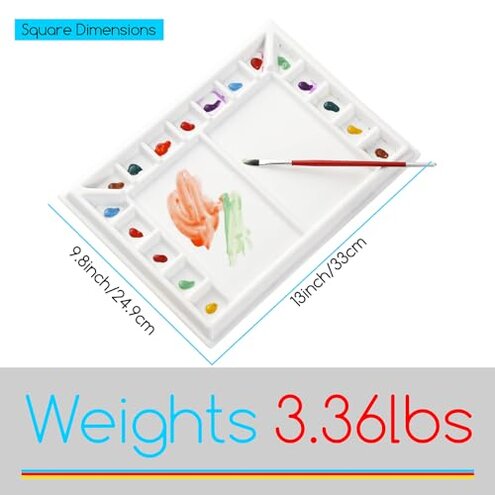
Secondary issue shows up after setup when buyers realize the 13 x 9.8 inch tray asks for a dedicated work area. That is more inconvenient than expected for casual painters who assumed it would store like a smaller palette.
- Desk space: The large footprint can crowd brushes, rinse cups, and paper on compact tables.
- Storage: It is a repeat problem for people who pack supplies away after each session.
- When it appears: You feel it most during setup in apartments, classrooms, or shared hobby areas.
- Category contrast: Mid-range options often make small-space use easier, even if they offer fewer wells.
- Trade-off: The many wells help organize color, but the space cost is real.
- Best attempt: Some buyers adapt with a dedicated cart or shelf, which means extra storage planning.
- Fixability: Size is not fixable; you either have the room or you do not.
Were you expecting an easy everyday palette instead of a stay-put studio tray?
- Mismatch: The biggest regret comes from a use-case gap, not a single defect.
- Pattern: This is a recurring theme among casual users more than dedicated studio painters.
- When it hits: The disappointment appears after setup when buyers compare daily handling against their old lighter trays.
- Why worse: In this category, buyers reasonably expect a balance of stability and convenience, but this leans hard toward stability.
- Impact: It can become a leave-it-out item rather than a flexible tool you grab anytime.
- Attempted workaround: Using it only at one station helps, but that limits versatility.
- Who notices most: People switching between rooms or cleaning up fast see the friction sooner.
- Bottom cause: The tray suits stationary use better than portable routines.
Illustrative excerpts
- Illustrative: “It paints nicely, but I do not enjoy carrying it to wash.” Primary pattern tied to weight during daily cleanup.
- Illustrative: “Great on the desk, stressful near the sink.” Primary pattern tied to handling risk after use.
- Illustrative: “Bigger than I expected once my brushes and cups were out.” Secondary pattern tied to workspace crowding.
- Illustrative: “I needed a permanent spot for it, which I did not plan for.” Secondary pattern tied to hidden storage requirements.
- Illustrative: “Nice surface, but not the casual palette I thought I was buying.” Edge-case pattern tied to expectation mismatch.
Who should avoid this
- Avoid it if you carry supplies between rooms, because the weight and break risk exceed normal casual-use tolerance.
- Skip it if you wash tools quickly in a small sink, since everyday cleanup can feel more stressful than with lighter alternatives.
- Pass if you have a tight desk, because the large tray size can crowd a compact painting setup.
- Look elsewhere if you want a travel-friendly palette, because this works more like a fixed studio item.
Who this is actually good for
- Good fit for painters with a dedicated studio table who value a stable tray and can tolerate extra carrying effort.
- Makes sense for buyers who leave tools out between sessions, so the size and weight cause less daily friction.
- Works better for organized color mixing at one station if you accept the hidden requirement of careful washing and safe storage.
- Reasonable choice for users who dislike lightweight palettes sliding around and are willing to trade portability for stability.
Expectation vs reality
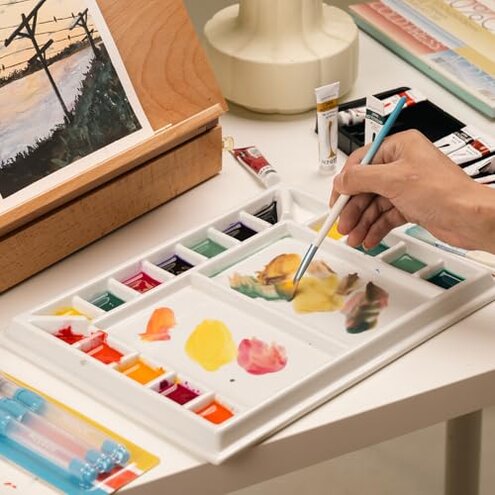
Expectation: A large ceramic palette should feel solid and still be manageable for normal rinse-and-store use.
Reality: This one can feel heavier than expected during cleanup, which is where many buyers notice regret.
Expectation: More wells should simply mean better organization.
Reality: The larger footprint also means more desk commitment and harder storage in smaller spaces.
Expectation: Break risk is reasonable for this category if you handle it carefully.
Reality: The drop consequence feels worse than expected because the tray is both heavy and rigid during sink use.
Safer alternatives
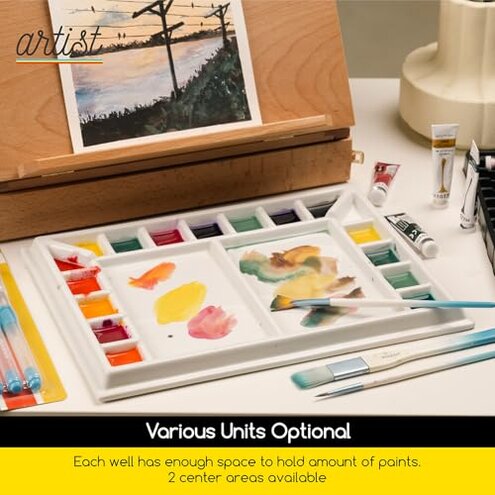
- Choose smaller if you clean up after every session, because a reduced footprint lowers carrying strain and storage friction.
- Pick lighter materials if you paint in shared spaces, which directly reduces the sink-handling risk described above.
- Look for lids if you pause mid-project often, since covered options can reduce repeated transport and washing.
- Measure your desk before buying any large tray, especially if brushes, paper, and water cups already compete for space.
- Prioritize grip and portability over capacity if you move supplies often, because many regrets here come from routine handling, not paint performance.
The bottom line
Main regret is not the mixing surface itself. It is the combination of heavy handling, break anxiety during washing, and a larger workspace demand than many casual buyers expect.
Category risk is higher than normal for shoppers who need flexibility, fast cleanup, or portable use. Avoid it unless you want a mostly stationary studio palette and are comfortable building your routine around its size and weight.
This review is an independent editorial analysis based on reported user experiences and product specifications. NegReview.com does not sell products.