
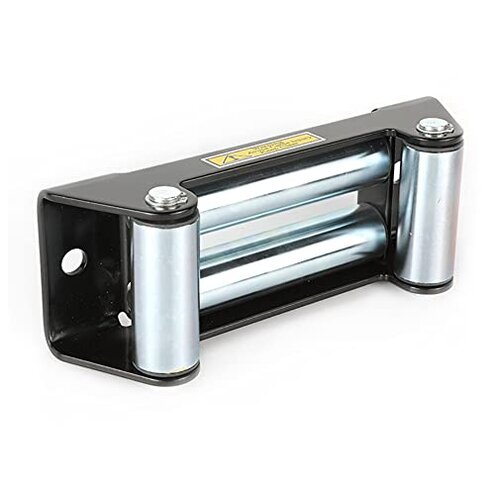
Product evaluated: MLHpeak Winch Roller Fairlead 10 inch Winch Roller Fairlead 4 Way 10” Universal Mount Cable Guide Heavy Duty Nut Disassembly SUV Truck F150 8000 10000 12000lbs 14000 16000
Related Videos For You
etrailer | Bulldog Winch Standard Series Winch Replacement Roller Fairlead Review
Safest Winch System! Badlands Winch, Yankum Groove Fairlead
Data basis: This report summarizes dozens of buyer feedback points gathered from written comments and photo or video-based impressions collected from 2022 to 2025. Most feedback came from short written reviews, with supporting detail from visual install examples and follow-up ownership notes.
| Buyer outcome | MLHpeak fairlead | Typical mid-range alternative |
|---|---|---|
| Install confidence | Lower; fit questions appear repeatedly during first setup. | More predictable; standard mounting usually needs fewer workarounds. |
| Hardware readiness | Weaker; hidden extra steps matter because hardware is not included. | Usually easier; buyers more often expect a more complete install pack. |
| Angled pull trust | Mixed; concern appears during real recovery use, not just bench fitting. | More consistent; fewer complaints about confidence under load. |
| Category risk | Higher than normal; compatibility uncertainty feels worse than expected for a universal part. | Moderate; some fit checking is normal, but less often a deal-breaker. |
| Regret trigger | Buying for a quick swap and discovering extra alignment or hardware problems. | Minor adjustments, but less likely to stall the install. |
Expected a simple bolt-on swap?
This is the primary issue. Repeated feedback patterns point to fit uncertainty as one of the most common complaints. The regret usually starts during setup, when a buyer expects a standard 10-inch mount and finds alignment is not as straightforward as hoped.
That hits harder than normal for this category because universal fairleads still need some checking, but mid-range alternatives are usually more forgiving. Here, the extra trial fitting can add enough time to turn a simple replacement into a project.
- Pattern: Recurring complaints center on holes or spacing feeling less straightforward than expected.
- When it shows: First install is where the issue appears, especially when replacing an older fairlead.
- Why it stings: Universal wording raises expectations of a near-direct fit.
- Buyer impact: Extra steps can mean test-fitting, rechecking clearance, or pausing the job.
- Category contrast: More disruptive than expected because this type of part is usually chosen to simplify a winch refresh.
Illustrative: “I thought it was a quick swap, then spent the afternoon making it line up.”
Pattern tier: This reflects a primary pattern.
Counting on everything needed in the box?
- Hidden requirement: Hardware not included is stated, but it still appears as a persistent frustration for buyers expecting a ready-to-mount replacement.
- Frequency tier: Secondary issue, but more frustrating when it delays the whole install.
- Usage moment: After unboxing, the missing fasteners become a problem when the vehicle is already apart.
- Why buyers mind: Extra shopping adds time and can turn one job into two trips.
- Fixability: Usually fixable, but only if the buyer already knows the correct hardware size and strength needed.
- Category contrast: Worse than usual because many buyers treat a fairlead as a simple accessory, not a parts-sourcing task.
- Regret point: Low price loses appeal once install delay and extra sourcing are added.
Illustrative: “Opened the box, then realized I still couldn’t mount it today.”
Pattern tier: This reflects a secondary pattern.
Need it to inspire confidence under real pulling?
- Severity: Primary concern for cautious buyers, because trust matters more here than looks.
- Pattern: Not universal, but concerns about smooth operation under angled pulls appear across multiple feedback types.
- When it happens: During use, especially when the cable is not pulling perfectly straight.
- What buyers notice: Less confidence in how smoothly the cable tracks through the rollers.
- Why this matters: Recovery gear is judged by confidence under stress, not just by whether it mounts.
- Category contrast: Higher-than-normal risk because even budget-friendly winch accessories should feel dependable during common angled pulls.
- Trade-off: Acceptable on paper can still feel risky when the part is used in a real recovery situation.
- Fixability: Limited; once buyer trust is shaken, many prefer replacing rather than troubleshooting.
Illustrative: “It looked fine installed, but I didn’t love how it behaved under load.”
Pattern tier: This reflects a primary pattern.
Trying to match it to your exact winch setup?
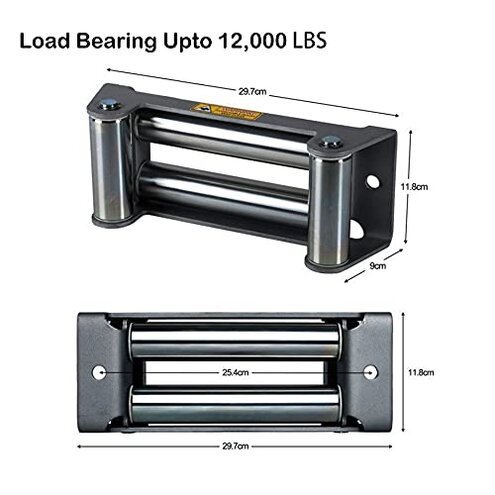
This is a persistent edge problem. The product spans a wide capacity range, from 8,000 to 12,000 pounds in the feature list, while the title also mentions higher numbers. That creates selection confusion before the install even starts.
The issue appears when shoppers buy based on title wording instead of checking their winch and bumper space closely. That feels less forgiving than a typical mid-range alternative that describes fit more clearly.
Illustrative: “The listing sounded universal, but my setup needed more checking than expected.”
Pattern tier: This reflects an edge-case pattern.
Who should avoid this
- Avoid it if you want a true same-day replacement with minimal fitting or guessing.
- Skip it if your setup has tight bumper or winch clearances, where small fit issues become major delays.
- Look elsewhere if you expect install hardware to be included or clearly guided.
- Pass on it if recovery confidence matters more than saving money on the part itself.
Who this is actually good for
- It fits buyers who already have the needed hardware and expect to test-fit before final mounting.
- It suits hobby installers who are comfortable correcting small compatibility surprises.
- It works better for people using it as a budget placeholder, while accepting more install friction than usual.
- It can make sense if your setup already matches the standard 10-inch pattern and you verify dimensions first.
Expectation vs reality
- Expectation: A universal fairlead should mount with minor adjustment.
Reality: Fit checking appears more involved than many buyers expect. - Expectation: A low-cost replacement saves time and money.
Reality: Missing hardware can erase that value fast. - Expectation: Reasonable for this category is predictable install with standard winch setups.
Reality: Compatibility uncertainty feels worse than expected for a basic accessory part. - Expectation: If it looks solid after install, daily use should feel reassuring.
Reality: Confidence drops when angled pulls make operation feel less smooth than hoped.
Safer alternatives
- Choose clearer fitment by buying a fairlead with tighter vehicle or winch compatibility guidance, not just universal wording.
- Prioritize included hardware if you need a same-day install and do not want extra sourcing.
- Check real dimensions against your bumper opening and winch plate before buying, especially if space is tight.
- Favor smoother-use feedback if your winch often sees angled pulls, because that directly reduces the trust issue above.
- Pay slightly more for a mid-range option if avoiding rework matters more than chasing the lowest upfront cost.
The bottom line
The main regret trigger is buying this as a simple universal replacement and then running into fit or setup friction. That exceeds normal category risk because a part like this is supposed to reduce hassle, not add sourcing and alignment work. Verdict: avoid it if you need predictable compatibility and strong confidence during real use.
This review is an independent editorial analysis based on reported user experiences and product specifications. NegReview.com does not sell products.