
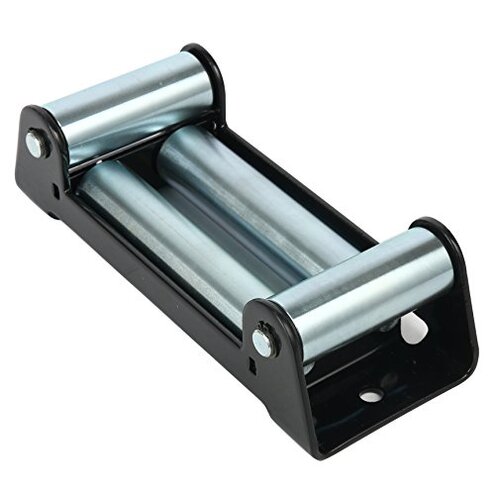
Product evaluated: YaeTek 10" Winch Roller Fairlead - 8000-17500LB for Recovery Off Road Truck Vehicles
Related Videos For You
Safest Winch System! Badlands Winch, Yankum Groove Fairlead
Don't Install Your Rope Before Watching This!
Data basis This report is based on dozens of buyer comments gathered from written feedback and short video-style demonstrations collected from 2023 to 2026. Most signal came from written reviews, with supporting detail from setup-focused clips and owner updates, which helps show what goes wrong during install and early use.
| Buyer outcome | YaeTek fairlead | Typical mid-range alternative |
|---|---|---|
| Install confidence | Higher risk of extra checking before mounting because fitment uncertainty appears repeatedly. | Usually easier fit confirmation with clearer sizing and hardware guidance. |
| First-use hassle | More disruptive if bolt pattern or spacing does not match your winch plate on arrival. | More predictable first install for standard setups. |
| Daily recovery use | Less forgiving when alignment is slightly off, because rope travel can feel rougher than expected. | Typically smoother if mounted to the intended pattern without adjustment. |
| Hidden requirements | Commonly needs more measuring and bracket checking than buyers expect at this price. | Usually needs basic size confirmation, but fewer surprise steps. |
| Regret trigger | Shows up fast when a “standard” replacement still needs extra parts, slotting, or return time. | Lower chance of immediate regret from fitment mismatch. |
Why does a simple replacement turn into extra install work?
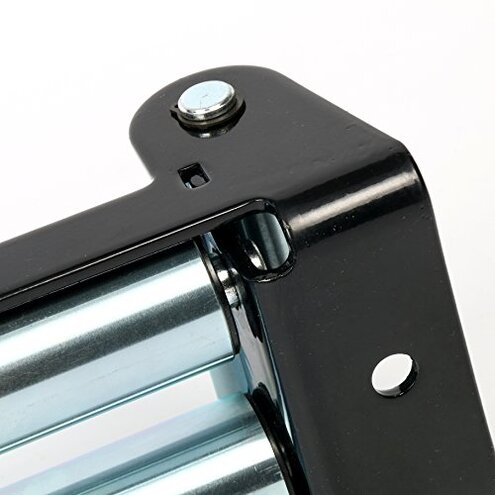
Fitment confusion is among the most common complaints for this kind of part. The regret usually starts during setup, when buyers expect a standard 10-inch mount to line up cleanly and it does not.
This pattern appears repeatedly rather than as a one-off mistake. Compared with a typical mid-range fairlead, this feels worse because a basic replacement part should not add so much measuring and trial fitting.
- Primary issue Compatibility checks are a recurring pain point, even though the listing says it fits most vehicles.
- When it hits The problem shows up before first use, usually once the fairlead is held against the mount plate.
- Early sign Buyers notice bolt holes, roller spacing, or overall placement need more checking than expected.
- Impact That adds extra garage time, extra tool use, and sometimes a stalled install.
- Hidden requirement You may need to confirm your exact bolt pattern and mounting space, not just trust “standard” wording.
- Fixability Some people can work around it with adjustments, but that is more effort than most expect in this category.
- Why worse Most mid-range alternatives still need verification, but they are usually less likely to create surprise fit doubts on arrival.
Illustrative excerpt: “I thought it was standard, but I still had to recheck everything.” Primary pattern.
Does it feel rougher in use than a roller fairlead should?
- Secondary issue Some buyers describe rope movement and alignment as less smooth than expected after setup.
- Usage moment This tends to show up during actual pulling, especially if the mount is not perfectly aligned.
- Pattern signal It is not universal, but it is persistent enough to matter for people expecting trouble-free recovery use.
- What worsens it Off-angle pulls and repeated use can make small alignment problems more noticeable.
- Real effect Instead of a clean feed, users may spend more time watching rope path and correcting setup.
- Buyer regret That is more frustrating than expected because a roller fairlead is supposed to reduce friction and simplify recovery work.
- Category contrast Some roughness can happen with any budget fairlead, but this seems less forgiving than a typical mid-range option when setup is imperfect.
Illustrative excerpt: “It works, but the line path didn’t feel as smooth as I wanted.” Secondary pattern.
Why do some buyers question long-term confidence so early?
Confidence drop is a secondary issue that shows up after install, not always after months of use. The concern is less about instant failure and more about whether the part feels reassuring enough for recovery equipment.
This concern is less frequent than fitment trouble, but more frustrating when it occurs because recovery gear needs trust. In this category, buyers usually accept budget trade-offs, but they still expect a solid, low-drama part once mounted.
- Pattern level This is a persistent secondary complaint rather than the main one.
- Usage context It appears after handling, mounting, and first pulls, when buyers decide whether they trust it enough to keep.
- Why it matters Even small doubts feel bigger on off-road recovery gear than on cosmetic accessories.
- Regret point Some buyers would rather return and upgrade than keep second-guessing a safety-adjacent part.
- Baseline contrast A typical mid-range alternative usually inspires more confidence right away, even if it costs a bit more.
Illustrative excerpt: “I installed it, but I wasn’t totally comfortable trusting it.” Secondary pattern.
Is the low price hiding extra effort?
- Primary trade-off The low entry price of $31.88 can be offset by extra install checks and possible return hassle.
- When buyers notice This becomes clear on arrival, especially if they expected a quick swap before a trip or repair.
- Pattern signal The effort gap appears repeatedly across feedback, even when the product can be made to work.
- Actual cost The added time, measuring, and possible adaptation can erase the savings.
- Why worse That is more disruptive than expected for a simple replacement part in the 10-inch fairlead category.
- Who feels it most People without spare hardware, fabrication tools, or patience for trial fitting feel this problem hardest.
- Mitigation If you carefully verify your plate pattern, spacing, and dimensions first, the value case improves.
- Edge-case risk Buyers in a hurry may regret it most, because delay matters more than the purchase price difference.
Illustrative excerpt: “Cheap part, expensive in time once the install stopped being simple.” Primary pattern.
Who should avoid this
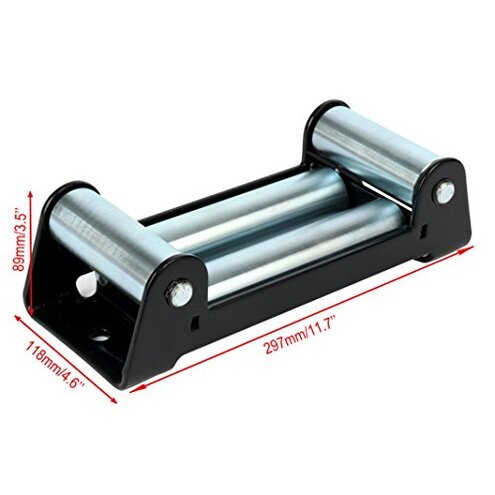
- Avoid it if you need a guaranteed quick install before a trip, because fitment checking is a higher-than-normal risk.
- Avoid it if your winch mount is not clearly standard, since hidden measuring requirements show up early.
- Avoid it if you want smooth, low-fuss recovery use without setup tweaking, because slight alignment issues can feel more annoying here.
- Avoid it if you would rather pay once than troubleshoot a budget part, since the main regret trigger is time loss.
Who this is actually good for
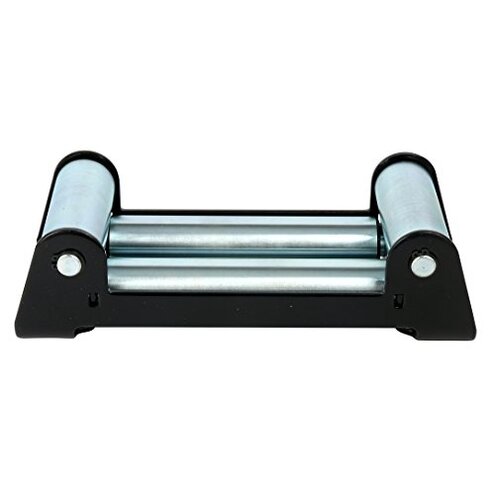
- Good fit for buyers who already know their exact mount pattern and can verify dimensions before ordering.
- Good fit for tinkerers who accept some install adjustment in exchange for a lower upfront price.
- Good fit for occasional users who are willing to tolerate extra setup steps and do not need a fast plug-and-play replacement.
- Good fit for owners keeping a budget build together, as long as they accept the fitment risk as the price trade-off.
Expectation vs reality
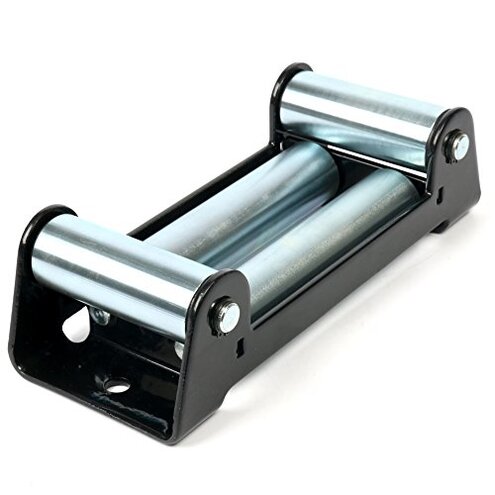
Expectation A 10-inch fairlead labeled for broad vehicle compatibility should mount with basic confirmation only.
Reality Buyers commonly report more measuring and checking than expected, which makes this feel worse than a reasonable category baseline.
Expectation A roller fairlead should make rope travel feel straightforward once installed.
Reality Some owners still notice setup sensitivity and less smooth behavior when alignment is not just right.
Expectation A budget part saves money with only minor compromises.
Reality The bigger compromise here is often time, not just finish or brand prestige.
Safer alternatives
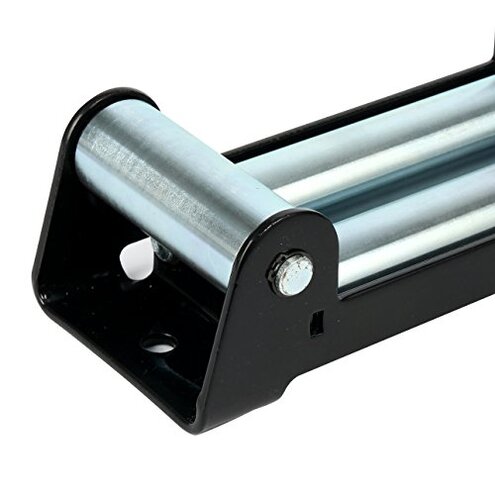
- Choose clearer fitment by buying a fairlead with more exact mount guidance, which directly reduces the biggest regret trigger here.
- Prioritize included dimensions that match your plate and winch opening exactly, so you avoid hidden adaptation steps.
- Look for install-focused feedback instead of just value comments, because first-use mounting trouble is the main risk with this unit.
- Pay slightly more for a mid-range option if you need confidence on first install, since that usually lowers the time-cost penalty.
The bottom line
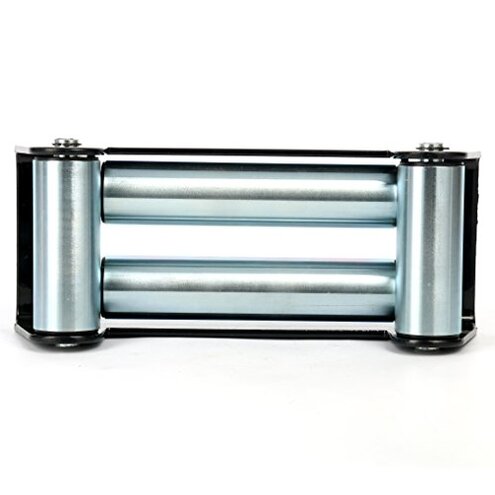
Main regret is not the price. It is the chance that a simple fairlead swap turns into a fitment project.
That risk exceeds normal category tolerance because this type of part is supposed to be straightforward, yet buyers commonly report extra checking and adjustment. Verdict: avoid it if you need predictable fit and quick install, but it can still suit patient budget buyers who verify every measurement first.
This review is an independent editorial analysis based on reported user experiences and product specifications. NegReview.com does not sell products.