
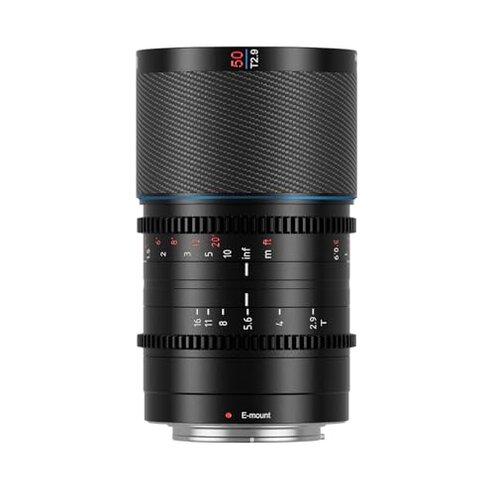
Product evaluated: SIRUI Saturn 50mm T2.9 1.6X Full Frame Carbon Fiber Anamorphic Lens, Cine Lens for E Mount Cameras, Less Than 500g (Neutral Flare)
Related Videos For You
What is an Anamorphic Lens — Anamorphic vs Spherical Lens Explained
Sony FX30 & Sirui Night Walker T1.2 S35 Lens with DJI RS 2 Gimbal | cinematic videography | 4k #Sony
Data basis: This report synthesizes dozens of buyer impressions collected from written feedback and video demonstrations gathered from late 2023 to early 2026. Most usable signals came from longer written impressions, with supporting context from hands-on clips showing setup, balance, and real shooting behavior.
| Buyer outcome | SIRUI Saturn 50mm | Typical mid-range alternative |
|---|---|---|
| Setup speed | Slower; manual workflow adds extra prep before shooting. | Easier; usually less demanding for casual use. |
| Learning curve | Higher; framing and focus take more practice than many expect. | Moderate; still technical, but often more forgiving. |
| Run-and-gun use | Weaker; fast changes can expose missed focus and composition errors. | Better; usually simpler to manage under time pressure. |
| Hidden requirements | Higher-than-normal risk; may need de-squeeze monitoring, careful balancing, and manual control skill. | Lower; fewer workflow extras for the same kind of shoot. |
| Regret trigger | Looks cinematic in theory, but takes more effort than expected to get keeper shots. | Less dramatic look, but easier to get usable footage quickly. |
Do you want a cinematic look without slowing every shoot down?
Primary issue: The most common frustration is not image quality by itself. It is the extra workflow that appears right after setup and keeps showing up during real shoots.
Recurring pattern: This comes up repeatedly when buyers move from test shots to paid work, travel shooting, or quick family filming. The trade-off feels steeper than expected because a typical mid-range lens is usually more forgiving once mounted.
- When it hits: The slowdown starts at first use, especially when the buyer expects a simple mount-and-shoot experience.
- Why it stings: Manual focus, anamorphic framing, and monitoring choices create stacked tasks before the camera even rolls.
- Frequency tier: This is a primary pattern and among the most common complaints tied to regret.
- Worsening condition: It feels worse during fast-paced sessions, handheld changes, and short shooting windows.
- Impact: Buyers often lose time to checking focus, composition, and final shape instead of just capturing the moment.
- Category contrast: Manual cine lenses already need more care, but this one can feel less forgiving than typical mid-range options because the anamorphic workflow adds another layer.
- Fixability: Practice helps, but the hidden cost is time, not just skill.
Illustrative: “I got the wide movie look, but every shot took extra setup.”
Pattern: This reflects a primary pattern.
Are you expecting gimbal-friendly size to make shooting easy?
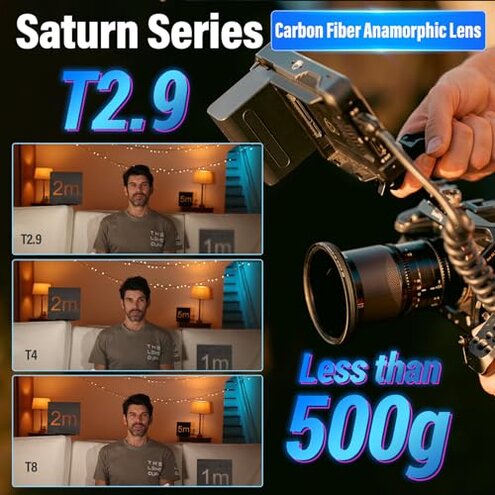
Primary risk: The small body is a real attraction, but compact size does not remove the need for careful balancing and controlled operation. This becomes more disruptive than expected when buyers plan to use stabilizers, overhead rigs, or tight spaces.
Persistent pattern: The issue is not that the lens is heavy for its class. It is that buyers often assume small means simple, and that assumption breaks during setup.
Usage moment: This tends to appear after mounting on a gimbal or compact rig, when users notice they still need to fine-tune balance, focus behavior, and framing workflow. It gets worse on long sessions where repeated lens changes or quick rebalance are needed.
Category contrast: Many mid-range alternatives are larger, but they are often paired with more familiar workflows. Here, the compact design can hide a higher-than-normal category risk because buyers underestimate the operating complexity.
- Early sign: If setup already feels fussy on a desk, it usually feels slower in the field.
- Scope: This appears across multiple feedback types, especially from buyers trying mobile or one-person shooting.
- Real cost: The problem is less about weight and more about repeated adjustment time.
- Best-case fix: Dedicated rigging habits can reduce the pain, but they do not remove the extra steps.
Illustrative: “Small on paper, but my gimbal setup was still a project.”
Pattern: This reflects a secondary pattern.
Will manual focus feel creative, or just cause missed shots?
Primary failure: Focus control is one of the biggest dividing lines. Buyers who enjoy slow, deliberate shooting often adapt, but many others hit a missed-shot wall once subjects move.
- Frequency tier: This is a primary issue, slightly less discussed than workflow burden but more frustrating when it happens.
- When it appears: It shows up during daily use once buyers move beyond static test scenes.
- Worsening condition: The frustration rises with moving subjects, changing distances, or low-margin moments that cannot be repeated.
- Cause: Manual-only operation asks for more attention at the exact moment the shooter also manages framing and movement.
- Visible impact: Buyers notice shots that look cinematic in theory but end up soft or unusable.
- Attempts: Slowing down, rehearsing marks, or stopping down can help, but each fix adds planning time.
- Category contrast: Manual lenses are expected to be slower, but this feels worse than normal when paired with anamorphic composition demands.
- Who feels it most: Solo shooters and event-style users tend to feel the regret faster than staged filmmakers.
Illustrative: “The look is great, but I missed moments chasing focus.”
Pattern: This reflects a primary pattern.
Do you already know the hidden gear and monitor requirements?
Secondary issue: A less obvious complaint is the hidden requirement list. Buyers often do not realize that getting the image to look right during shooting can involve de-squeeze viewing, careful composition choices, and a more controlled editing path.
- When it shows: This usually appears after the first excitement, when the buyer tries to use footage in a normal workflow.
- Pattern strength: It is not universal, but it is persistent among newer anamorphic buyers.
- Buyer surprise: The lens itself may work as expected, yet the project still feels harder because the surrounding workflow needs extra support.
- Hidden requirement: Monitoring or editing without the right setup can make framing and final output feel less intuitive.
- Impact: Buyers spend more time checking whether footage looks correct instead of judging the shot itself.
- Category contrast: Anamorphic always needs some adaptation, but this can feel more inconvenient than expected for shoppers coming from normal full-frame lenses.
Illustrative: “I didn’t expect the viewing and editing steps to matter this much.”
Pattern: This reflects a secondary pattern.
Who should avoid this
- Avoid it if you need fast, dependable results for events, family moments, or paid work with little retry time.
- Skip it if you want your first anamorphic lens to feel easy, because the workflow burden exceeds normal casual-user tolerance.
- Pass if you rely on one-person gimbal shooting and do not want extra balance and monitoring steps.
- Look elsewhere if missed focus would bother you more than the cinematic look would delight you.
Who this is actually good for
- Good fit for patient shooters who accept manual focus because they work slowly and can repeat takes.
- Works better for planned narrative or stylized content where setup time is part of the process.
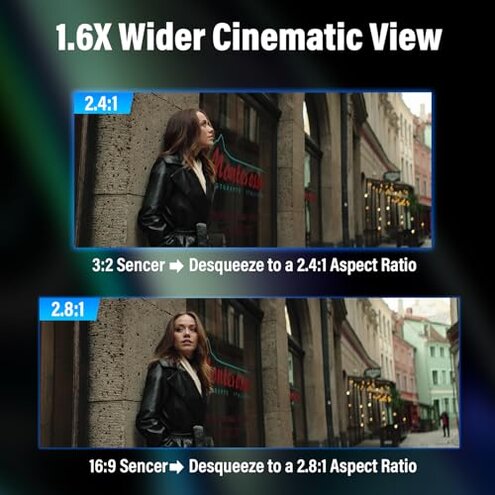
- Makes sense for users who already understand de-squeeze viewing and do not mind extra post steps.
- Better choice for buyers specifically chasing anamorphic character and willing to trade convenience for that look.
Expectation vs reality
Expectation: Small and light should mean easy field use.
Reality: It often means easier carrying, not easier operation.
Expectation: A reasonable expectation for this category is slower focus, but still manageable shooting once you learn it.
Reality: Here, the combined focus, framing, and monitoring demands can feel worse than expected for mid-range buyers.
- Expectation: The cinematic look will upgrade ordinary shooting.
- Reality: The look is real, but the keeper rate can drop if your pace is too fast.
- Expectation: Compact design solves gimbal pain.
- Reality: It reduces some rig stress, but not the workflow friction.
Safer alternatives

- Choose spherical if your main fear is missed focus, because a standard full-frame lens removes the anamorphic framing burden.
- Pick autofocus if you shoot moving people, since that directly neutralizes the primary regret trigger during real moments.
- Start wider support with a lens and monitor combo that has easy de-squeeze options if hidden workflow steps worry you.
- Rent first if gimbal use is your priority, because balance and real handling matter more than listed weight alone.
- Favor forgiving gear if this is your first cine-style setup, especially if you cannot afford practice-heavy sessions.
The bottom line
Main regret: Buyers usually do not regret the look first. They regret the effort required to get that look consistently.
Why it stands out: That risk is higher than normal for a mid-range alternative because compact size can hide a workflow that is still demanding. Verdict: Avoid it if speed, ease, and reliable keeper shots matter more than anamorphic style.
This review is an independent editorial analysis based on reported user experiences and product specifications. NegReview.com does not sell products.