
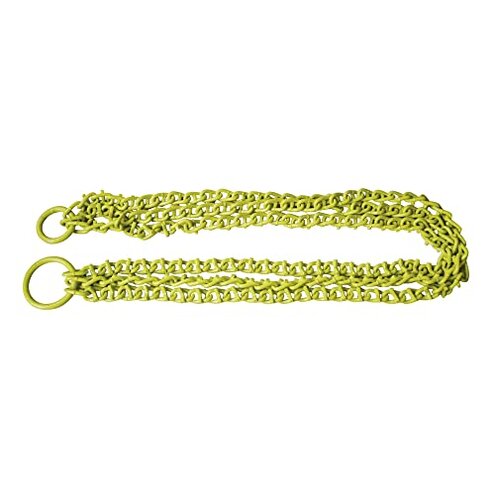
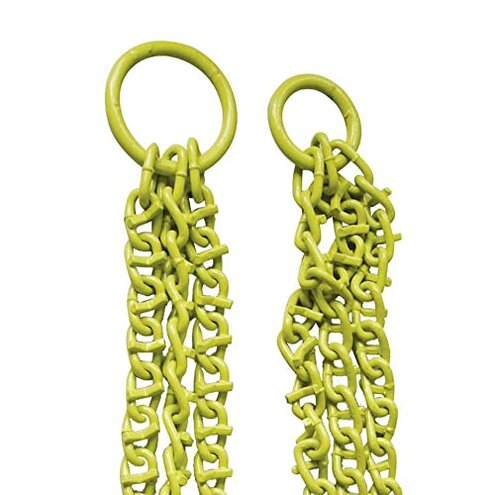
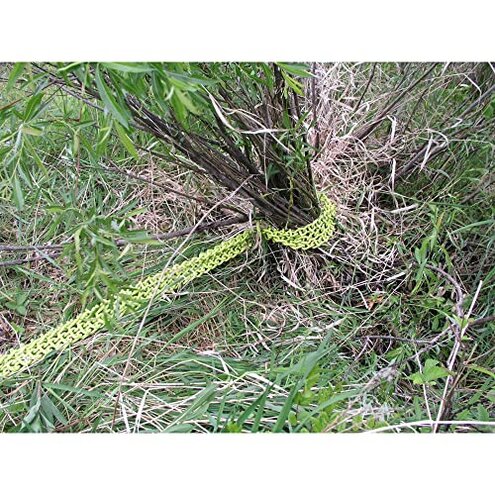
Product evaluated: Brush Grubber Extreme 6 Foot Long Triple Chain ATV, UTV, and Tractor Shrub and Clump Grubber for Removing Scrubs, Brush, and Small Trees, Green
Related Videos For You
OldGuyDIY $18 Best Homemade DIY Brush Grubber Tree Sapling Bush Alder Puller Pipe & Chain Grabber
The Bullpull-Shrub Removal-Pulling Shrubbery-How to..
Data basis: This report summarizes dozens of buyer comments collected from product-page feedback and off-page discussion-style writeups between 2023 and 2026. Most feedback came from written reviews, with added support from photo and video-style demonstrations showing real pulling conditions and setup results.
| Buyer outcome | Brush Grubber | Typical mid-range alternative |
|---|---|---|
| First-use learning | Higher risk of trial-and-error before the chains bite correctly. | Moderate learning curve, usually easier to position fast. |
| Small brush removal | Mixed results when stems are awkward, thin, or clustered low. | More predictable on average for everyday brush clearing. |
| Time per pull | Longer when repeated repositioning is needed during use. | Shorter if the grip style is less fussy. |
| Vehicle dependence | Higher-than-normal category risk if your ATV, UTV, or tractor setup is limited. | Usually lower dependence on perfect hookup and pulling angle. |
| Regret trigger | Paying tool-level money but still fighting setup, angle, and grip consistency. | Less common if expectations match lighter-duty brush work. |
Why does it feel harder than expected to get a solid pull?
Primary issue: The biggest regret moment is not raw pulling power. It is spending extra time getting the chains to grab in a way that actually holds once tension starts.
Recurring pattern: This appears repeatedly during first use and early jobs, especially when buyers move from the product claim to real brush with odd shapes. That is more disruptive than expected for this category because many shoppers expect a faster hook-and-pull workflow.
- Early sign: The chain loop looks secure at rest, then shifts once the vehicle starts pulling.
- When it happens: This shows up after setup, right at the first hard pull, and worsens on low or uneven growth.
- Frequency tier: This is a primary complaint and among the most common frustrations in aggregated feedback.
- Why it stings: You lose time resetting the tool instead of clearing brush in batches.
- Category contrast: Some learning curve is normal here, but this setup appears less forgiving than typical mid-range alternatives.
- Mitigation: It tends to work better when the stem base is accessible, but that hidden requirement adds prep work.
- Buyer impact: The tool can feel strong yet still not feel efficient, which creates the main mismatch.
Why can results feel inconsistent from one shrub to the next?
Secondary issue: Buyers commonly describe uneven performance. One pull can feel easy, then the next similar-looking target takes repeated tries.
Context: This usually shows up during normal clearing sessions when brush size, root spread, and stem shape change every few feet. That inconsistency feels worse than expected because the product is sold as a time-saver for clumps and shrubs.
Persistent pattern: It is not universal, but it shows up across multiple feedback sources. The frustration rises in mixed terrain where access around the base is limited.
- Scope: The issue appears repeatedly in real yard and land-clearing use, not just in unusual edge conditions.
- Trigger: Performance drops when the plant base is hard to loop cleanly.
- Visible effect: Instead of one clean uproot, buyers report extra attempts and partial movement.
- Trade-off: The tool can still pull effectively, but only after more repositioning than many expected.
- Category baseline: Brush pullers are never perfect, yet this one seems more sensitive to exact placement than many shoppers assume.
Why does this turn into a bigger job instead of saving effort?
- Primary burden: The tool often asks for more prep than expected before the first successful pull.
- Hidden requirement: You may need clear access around the stem base for the chains to choke down properly.
- Usage moment: This becomes obvious during larger clearing sessions when every reset adds extra steps and fatigue.
- Pattern: This is a recurring complaint, especially from buyers expecting quick single-person cleanup.
- Why worse than normal: Some setup effort is category-expected, but the time cost here can be higher than typical mid-range tools.
- Real regret: Buyers hoping to clear many spots fast can end up spending more time positioning than pulling.
- Fixability: Better technique helps, but it does not remove the need for cleaner access and careful angle control.
- Bottom impact: The product may save muscle effort while still costing more time than expected.
Why does your vehicle setup matter more than you thought?
- Secondary risk: The tool is built around ATV, UTV, or tractor pulling, so success depends heavily on your towing setup.
- When it shows up: This becomes clear during hookup and the first few pulls, not later after long-term wear.
- Pattern strength: This is less frequent than grip complaints but more frustrating when it occurs.
- Buyer-visible problem: If your pulling angle or access path is awkward, the job gets slower fast.
- Category contrast: Vehicle-based pullers always depend on setup, but this one appears less tolerant of imperfect positioning.
- Effort cost: Instead of driving and pulling, buyers may need repeated alignment changes.
Illustrative excerpt: “I thought I would just hook it and go.” Primary pattern reflecting setup frustration.
Illustrative excerpt: “It works great until the brush sits too low.” Secondary pattern reflecting access sensitivity.
Illustrative excerpt: “Strong tool, but I kept resetting the chains.” Primary pattern reflecting grip inconsistency.
Illustrative excerpt: “My tractor could pull, but positioning took forever.” Secondary pattern reflecting vehicle-angle dependence.
Who should avoid this
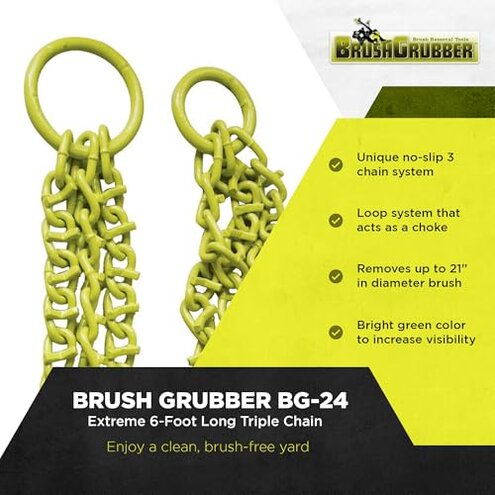
- Avoid it if you want a near-instant hook-and-pull experience with minimal trial-and-error.
- Avoid it if your land has tight access, low brush bases, or irregular clumps that are hard to loop cleanly.
- Avoid it if your tolerance for repeated repositioning is low, because that exceeds normal category annoyance here.
- Avoid it if your ATV, UTV, or tractor setup limits clean pulling angles.
Who this is actually good for
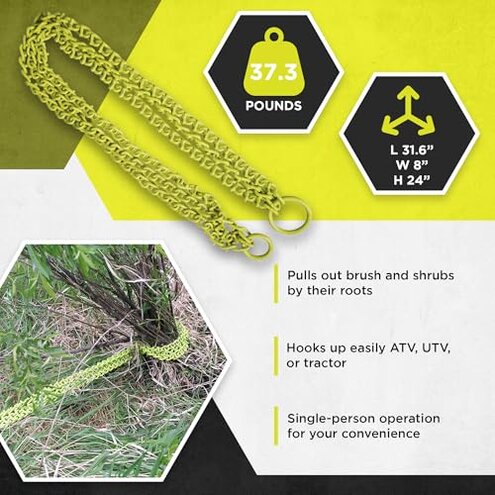
- Better fit: Buyers who already expect technique practice and do not mind a learning curve.
- Better fit: People clearing brush where stem bases are exposed enough to let the chains tighten properly.
- Better fit: Owners with a good towing setup who can control alignment and approach angles.
- Better fit: Shoppers willing to trade extra setup time for less hand-digging and less manual pulling effort.
Expectation vs reality
Expectation: Reasonable for this category is some setup time, then mostly repeatable pulling once you learn the tool.
Reality: Aggregated feedback suggests the repeatability can still vary more than expected when brush shape and access change.
Expectation: A heavy-duty-looking puller should reduce the number of retries.
Reality: The more common complaint is not lack of strength, but extra resets to get the grip right.
Expectation: Vehicle hookup should make the job faster.
Reality: That advantage shrinks if your pulling angle or loop placement is not ideal.
Safer alternatives
- Choose simpler jaws if you want less chain positioning and a faster first-use experience.
- Prioritize angle tolerance if your terrain makes straight pulling difficult.
- Look for lighter setup workflows if your main goal is speed across many small shrubs.
- Buy for access conditions if your brush grows low and tight, because hidden prep work is the main failure here.
- Watch real-use demos on mixed brush types so you can judge grip consistency before buying.
The bottom line
Main regret trigger: Buyers spend tool-level money expecting quick clearing, then run into repeated chain placement and pulling-angle issues.
Why it exceeds normal risk: Some technique is expected in this category, but the extra time, inconsistency, and setup sensitivity appear higher than typical mid-range alternatives. Verdict: Avoid it if you want predictable speed more than occasional heavy-pull success.
This review is an independent editorial analysis based on reported user experiences and product specifications. NegReview.com does not sell products.