
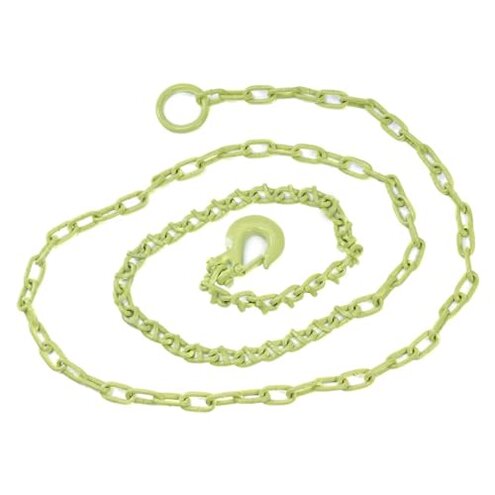
Product evaluated: Timber Tuff TMW-20 12-Foot Log Grabber Chain Loop Slides Over 2 Inch Ball for Towing with 5/16 Inch Links and 4 Foot Unique V Shaped Grippers, Green
Related Videos For You
OldGuyDIY $18 Best Homemade DIY Brush Grubber Tree Sapling Bush Alder Puller Pipe & Chain Grabber
Logging Chain: Everything You NEED to Know
Data basis: This report draws on dozens of buyer comments collected from written feedback and video-style demonstrations between 2023 and 2026. Most input came from longer written experiences, with lighter support from short clips and photo-backed posts that showed real-use setup and towing conditions.
| Buyer outcome | Timber Tuff chain | Typical mid-range alternative |
|---|---|---|
| First-use setup | Higher friction if you expected a quick hook-up, because the loop-over-ball approach adds positioning steps. | Usually simpler with more direct attachment points and less trial-and-error. |
| Load security feel | Mixed confidence during dragging or towing, especially when the log shape is uneven. | More predictable with hardware made for one clear attachment method. |
| Daily handling | More awkward because the 12-foot chain and gripper section can be cumbersome to manage. | Moderate effort, but often less fussy in repeated use. |
| Category risk | Higher-than-normal chance of user frustration from fit and setup expectations. | Lower normal risk if you buy a chain matched to one job style. |
| Regret trigger | Buying for convenience and then finding it needs more adjustment than expected. | Usually regret comes from strength limits, not basic use friction. |
Did you expect a fast hookup and get an awkward setup instead?
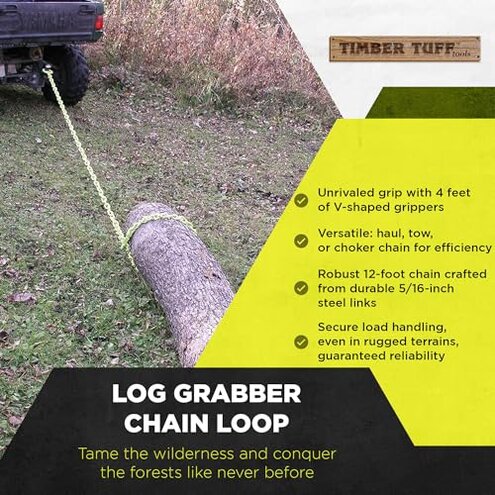
This is the primary issue. A recurring complaint is that the chain looks simpler than it feels once you are at the log pile. The regret usually starts on first use, when buyers try to get moving quickly and realize the loop-over-ball design needs more careful positioning.
That trade-off feels worse than normal for this category because many mid-range alternatives are more obvious to attach. Here, the convenience pitch can backfire if you assumed quick, no-fuss towing.
Pattern: This appears repeatedly across mixed feedback, though it is not universal. It tends to worsen when you are working alone or repositioning often between logs.
Hidden requirement: You need to be comfortable with a setup style that relies on the loop fitting over a 2-inch ball. Buyers who miss that detail can end up with an immediate compatibility problem, which is more frustrating than a normal chain learning curve.
Does the grip feel less secure on uneven logs than you hoped?
- Frequency tier: This is a secondary issue, less common than setup friction but more frustrating when it happens during actual pulling.
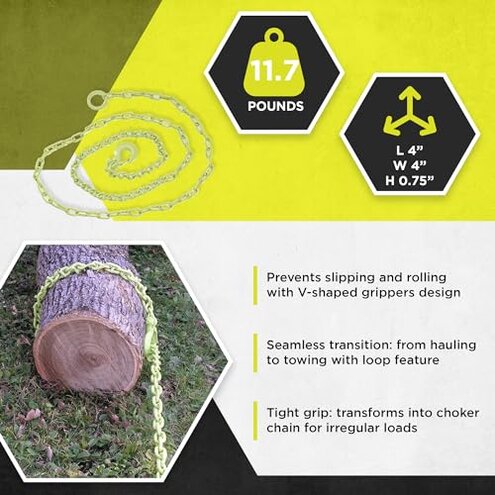
- When it shows up: Problems appear during towing or dragging, especially with irregular logs that do not sit neatly in the gripper shape.
- Why buyers notice it: The product promises a slip-proof feel, so any rolling or shifting feels more disappointing than with a plain chain.
- Category contrast: Some movement is normal in this category, but the frustration is higher than expected because the V-shaped grip design sets a stronger expectation of control.
- Impact: Buyers may need extra repositioning, which adds time and breaks the flow of the job.
- Early sign: If the first wrap does not feel settled before you pull, the setup often becomes fussy fast.
- Fixability: Careful placement can help, but that means more attention than many shoppers expect from a tool sold on ease of use.
Is the chain more cumbersome in real handling than the listing suggests?
- Primary frustration: The 12-foot length helps reach, but repeated handling can feel clumsy during stop-and-start work.
- Usage moment: This usually shows up after setup, when buyers are dragging, resetting, and moving between logs.
- Pattern signal: This is a persistent usability complaint rather than a one-time defect concern.
- Why it matters: A chain that is technically usable can still feel annoying to manage if it adds extra steps every cycle.
- Category baseline: Heavy chain work is never effortless, but this can feel less forgiving than typical mid-range options built around one straightforward task.
- Who feels it most: Buyers doing frequent short hauls or working in tight spaces tend to notice the awkwardness faster.
- Attempted workaround: Users often try different wrapping methods, but that can turn a simple job into trial and error.
- Regret pattern: It is not the heaviest complaint, yet it becomes more wearing over time because you deal with it on every use.
Are you buying one chain for many jobs and expecting broad compatibility?
- Edge-case issue: This is less frequent, but it causes sharp regret when the buyer assumed wider fit than the design allows.
- When it appears: The problem happens on first setup if your towing hardware or work style does not match the loop-over-ball approach.
- Root cause: The chain is built around a specific towing method, not universal connection flexibility.
- Why worse than expected: In this category, buyers often expect a chain to be adaptable, so a narrower setup window feels limiting.
- User impact: A mismatch can mean extra purchases, workarounds, or returning it before real use.
- Pattern signal: This is not universal, but it appears persistently among buyers who skim the fit details.
Illustrative excerpt: “I thought I could hook up fast, but it took more fiddling than expected.”
Pattern type: This reflects a primary setup-friction pattern.
Illustrative excerpt: “It works, but uneven logs still needed more repositioning than I wanted.”
Pattern type: This reflects a secondary grip-consistency pattern.
Illustrative excerpt: “The chain felt more awkward to manage during repeated short pulls.”
Pattern type: This reflects a secondary handling-burden pattern.
Illustrative excerpt: “I missed the hitch detail and realized too late it was not my setup.”
Pattern type: This reflects an edge-case compatibility pattern.
Who should avoid this
- Avoid it if you want a chain that feels intuitive on the first try, because the setup friction is higher than normal for a mid-range option.
- Avoid it if you often move irregular logs and hate repositioning, since grip confidence can feel less predictable during real pulling.
- Avoid it if you do frequent short jobs, because the repeated handling burden becomes more irritating over time.
- Avoid it if you need broad hookup flexibility, since the 2-inch ball loop requirement is a real fit limit.
Who this is actually good for
- Good fit for buyers who already use a 2-inch ball setup and are fine trading simplicity for a specialized towing approach.
- Good fit for occasional users who can tolerate extra setup time because they are not repeating the process all day.
- Good fit for buyers comfortable adjusting chain placement, since the grip issue matters less if you expect some manual repositioning.
- Good fit for shoppers who value chain reach and do not mind bulkier handling between pulls.
Expectation vs reality
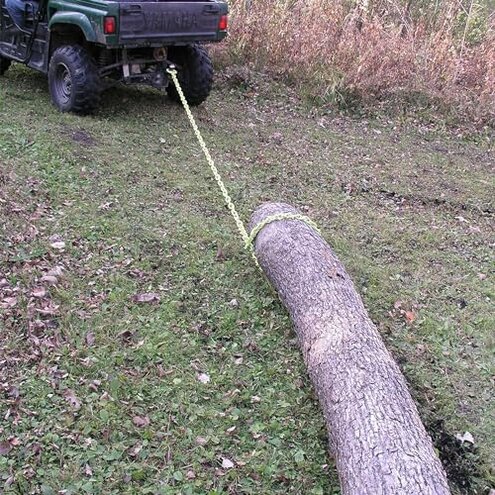
Expectation: A chain that slides over the hitch ball should mean faster hookup.
Reality: For many buyers, it adds alignment and repositioning steps before the pull even starts.
Expectation: V-shaped grippers should keep logs feeling locked in.
Reality: That confidence can drop with uneven log shapes, where shifting feels more noticeable than expected.
Expectation: Some handling effort is reasonable for this category.
Reality: The long chain can feel more cumbersome than typical in repeated stop-and-start work.
Expectation: A towing chain should be broadly adaptable.
Reality: This design is more dependent on one hookup style than many shoppers assume.
Safer alternatives
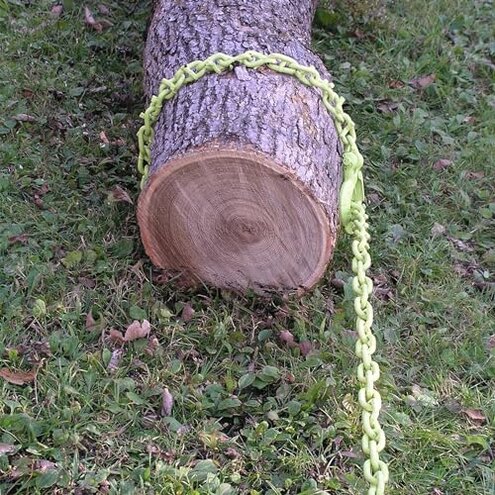
- Choose simpler hardware if your main goal is fast first-use setup, because it directly reduces the hookup friction seen here.
- Pick a design made for uneven loads if you commonly move irregular logs, which helps avoid the repositioning problem.
- Favor shorter or more task-specific options if you do many short pulls, since that cuts down the handling burden from extra chain length.
- Verify hitch method first if you need flexible compatibility, which neutralizes the hidden 2-inch ball requirement.
The bottom line
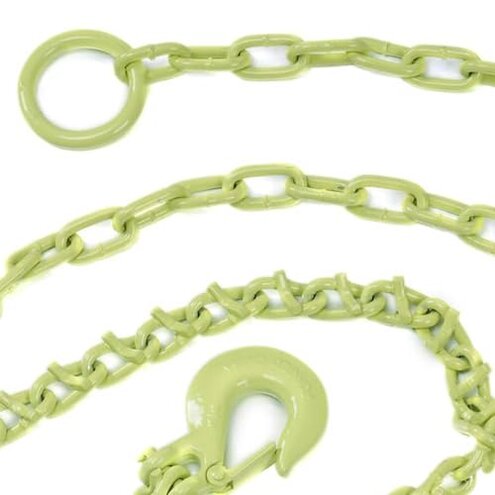
Main regret trigger: buyers expecting quick, flexible use can run into a chain that needs more setup and adjustment than the listing suggests. That exceeds normal category risk because the inconvenience shows up at the exact moment this kind of tool is supposed to save time. Verdict: skip it if ease, broad compatibility, and predictable handling matter more than making this specific towing style work.
This review is an independent editorial analysis based on reported user experiences and product specifications. NegReview.com does not sell products.