
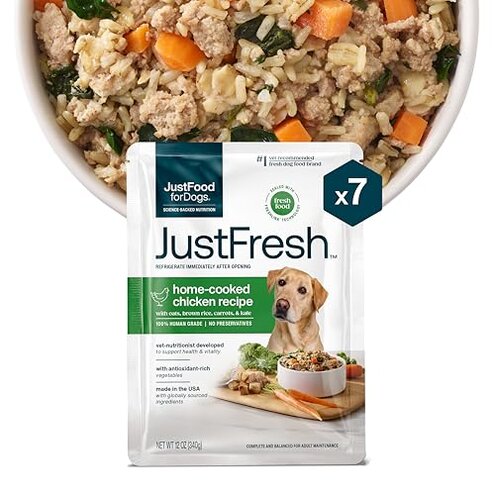
Product evaluated: JustFoodForDogs JustFresh Wet Dog Food, Fresh Pet Meals and Toppers with No Preservatives, Resealable Package, Human Grade, Home-Cooked Chicken, 12 oz - 7 Pack
Related Videos For You
Discover the Ultimate Dog Food Storage Solution | GUNNER Food Crate Walkthrough
Add these 3 toppers to your dog’s kibble! 🍳🐕 #shorts
Data basis: This report summarizes dozens of buyer comments gathered from written feedback and short video-style product impressions collected from 2024 to 2026. Most signals came from written reviews, with supporting context from visual demonstrations, which helps separate one-off complaints from recurring daily-use problems.
| Buyer outcome | This product | Typical mid-range alternative |
|---|---|---|
| Daily feeding ease | More steps because pouches need opening, portioning, sealing, and chilling after use. | Simpler routine with fewer storage and handling steps. |
| Picky dog acceptance | Mixed risk; fresh-style texture can help some dogs, but rejection is more costly at this price. | Moderate risk; acceptance is still variable, but failed trials usually waste less money. |
| Storage burden | Higher-than-normal risk during daily use because opened packs need refrigerator space and faster follow-through. | Lower burden for shelf-stable options with less post-opening hassle. |
| Value for routine use | Harder to justify at $48.93 for 7 packs if used as a full meal instead of an occasional topper. | Usually easier to sustain for everyday feeding. |
| Regret trigger | Paying premium prices for food your dog may not finish before the extra storage steps become annoying. | Lower regret because trial-and-error usually costs less time and money. |
Do you want fresh food without turning feeding into a chore?
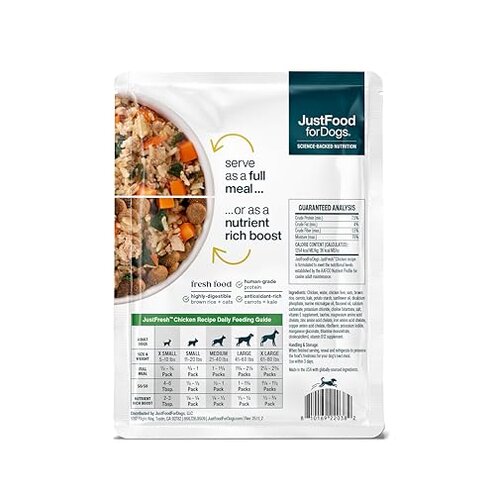
This is a primary issue because the convenience trade-off shows up fast, usually after the first opened pouch. The regret moment is not the unopened storage period. It is the extra daily routine once you stop using a whole pouch at once.
The pattern appears repeatedly in fresh-style pet food feedback, especially during normal weekday feeding when owners split portions. Compared with a typical mid-range wet food, this feels less forgiving because the package promises convenience but still adds fridge and resealing steps.
When it happens: after opening and trying to use the product across multiple meals. What worsens it: small dogs, mixed feeding with dry food, or homes already tight on refrigerator space.
Illustrative excerpt: “I wanted easy feeding, but now I am storing tiny leftovers every day.” Primary pattern.
What if your dog just does not like it?
- Frequency tier: This is a primary complaint for premium dog food, because acceptance problems are more disruptive than expected when each failed pouch costs more.
- Usage moment: It shows up on first serving or during the first few days when owners test it as a full meal.
- Pattern signal: Acceptance is not universal, but rejection appears repeatedly enough to matter for cautious buyers.
- Why it stings: A typical mid-range alternative has the same taste risk, but trial failure hurts less because the financial penalty is lower.
- Visible impact: Owners can end up mixing, topping, or replacing meals, which adds extra cost and wastes time.
- Hidden requirement: To lower the risk, you may need a slow transition or topper-only use instead of the simple swap many buyers expect.
- Fixability: This can sometimes be softened by using smaller portions first, but fixes are limited if your dog rejects the texture outright.
Illustrative excerpt: “My dog sniffed it, licked once, and walked away.” Primary pattern.
Are you actually buying a full meal, or an expensive topper?
- Price reality: At $48.93 for 7 pouches, the value question becomes a secondary issue until daily use starts.
- When it changes: The concern grows during routine feeding if you discover one pouch does not fit your dog’s normal portion rhythm.
- Category contrast: Premium pet food is expected to cost more, but this can feel more expensive than typical because some owners end up using it as a topper anyway.
- Real-world effect: If your dog needs encouragement to eat, the product may become a costly helper rather than the complete meal buyers planned for.
- Compounding factor: Any rejection, leftover handling, or transition issue makes the value drop faster than with lower-cost alternatives.
- Less obvious downside: The human-grade positioning can raise expectations for easy success, so disappointment feels sharper when feeding still takes experimentation.
Illustrative excerpt: “It works better as a topper, but that makes it pricey fast.” Secondary pattern.
Do the pouch and storage claims make daily use sound easier than it is?
- Early sign: This is often noticed after setup, not at delivery, because unopened shelf stability sounds easier than opened-pack handling feels.
- Pattern level: It is a secondary but persistent frustration for buyers who expected low-maintenance feeding.
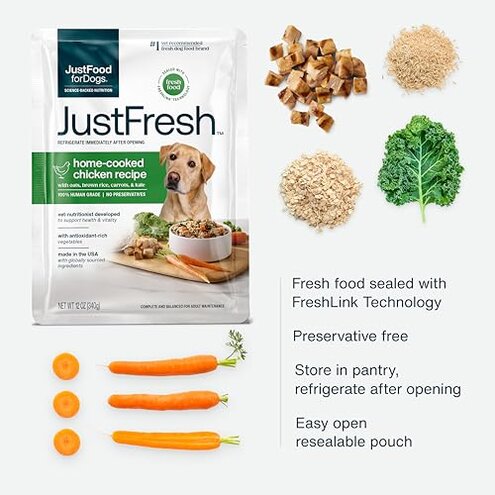
- Visible issue: Resealable packaging helps, but does not remove the need to refrigerate opened food and manage leftovers promptly.
- Why worse than baseline: Most buyers reasonably expect wet food upkeep, but the fresh-style format creates more follow-through than standard pantry-stable alternatives.
- Worsening condition: It becomes more annoying in multi-pet homes with different portions or in homes where fridge space is already tight.
- Attempted workaround: Owners often try splitting pouches carefully, but that means more handling and more meal planning.
- Regret point: The problem is less about spoilage claims and more about daily friction that keeps repeating.
- Fixability: It is manageable if you use full pouches quickly, but not very fixable for slow feeders or small dogs.
Illustrative excerpt: “Shelf stable sounded simple, but opened packs still became a whole routine.” Secondary pattern.
Who should avoid this
- Avoid it if you want a grab-and-serve meal with minimal cleanup and no refrigerator planning after opening.
- Avoid it if your dog is unpredictably picky, because acceptance misses are among the most frustrating problems at this price.
- Avoid it if you have a small dog and usually stretch wet food across multiple meals, since the leftover routine becomes more noticeable.
- Avoid it if your budget needs a true daily staple, not a premium topper that may require extra experimentation.
Who this is actually good for
- Better fit for owners who already use fresh toppers and accept the storage work as part of the routine.
- Better fit for homes where a pouch gets used quickly, which reduces leftover hassle.
- Better fit for buyers willing to pay more for a premium feeding trial and who can absorb the risk of mixed acceptance.
- Better fit if your main goal is helping a selective eater and you are comfortable using it as a topper first.
Expectation vs reality
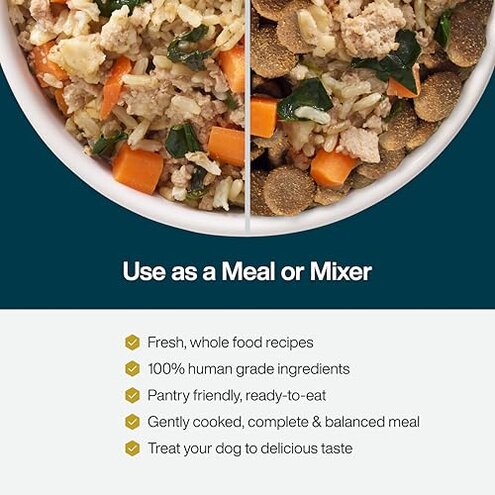
Expectation: A resealable pouch means easy convenience close to standard wet food.
Reality: During daily use, the opened-pack fridge routine can feel more involved than expected.
Expectation: A premium fresh-style food should make mealtime simpler for picky dogs.
Reality: Acceptance is still mixed, and failed attempts cost more than with many mid-range foods.
Expectation: For this category, some extra care is reasonable.
Reality: The upkeep can feel worse than normal because the convenience message raises expectations that daily handling does not fully meet.
Safer alternatives
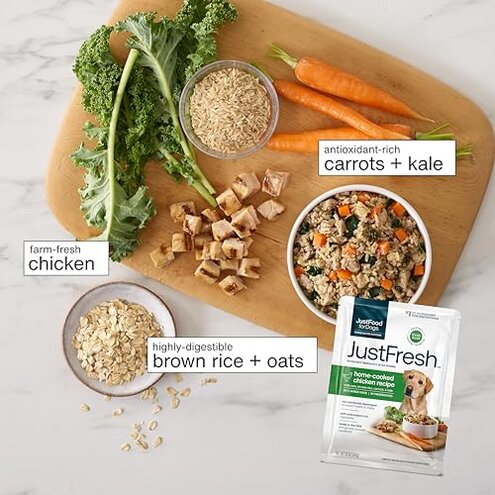
- Try smaller trials first, so a taste rejection does not turn into a high-cost mistake.
- Choose single-serve formats if your dog eats small portions, which directly cuts the leftover burden.
- Use topper-only products if your real need is appetite support, so you do not overpay for a full-meal promise you will not use.
- Check refrigerator fit before buying fresh-style pouches, especially if your home already has tight storage.
- Look for lower-cost wet food when testing a picky eater, because acceptance risk is common but premium waste is avoidable.
The bottom line
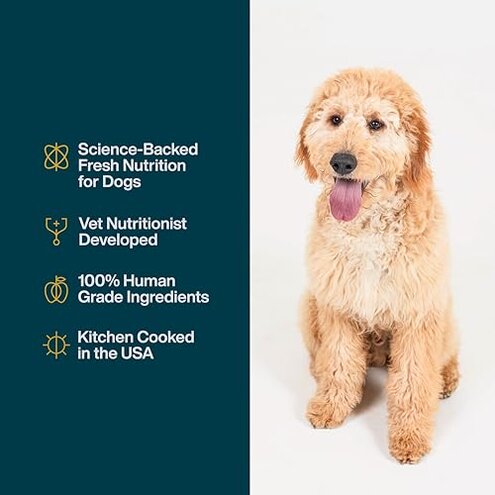
The main regret trigger is paying premium money for a food that may end up creating more portioning and storage friction than expected. That exceeds normal category risk because taste uncertainty is common, but the cost and daily handling burden here can make failed trials feel sharper. Avoid it if you want low-effort feeding or need dependable value from the first pouch.
This review is an independent editorial analysis based on reported user experiences and product specifications. NegReview.com does not sell products.