
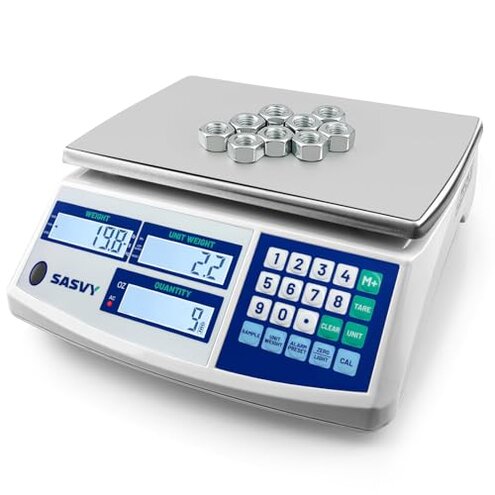
Product evaluated: SASVY Counting Scale (66lb/30kg, 0.1g) lb/oz/kg/g Industrial Digital Inventory Scale with Battery for Small Parts, Coins, Pieces, Tickets
Related Videos For You
Uline Easy-Count Scales
How to Check if Your Scale is Accurate Without Calibration Weights (Using Coins)
Data basis: This report is based on dozens of aggregated buyer comments collected from written feedback and video demonstrations between 2024 and 2026. Most input came from longer written experiences, with added context from short setup clips and real-use demonstrations, which helps show what frustrates buyers after unboxing and during daily weighing.
| Buyer outcome | SASVY scale | Typical mid-range alternative |
| Setup effort | Higher chance of extra setup, checking, and learning before trust feels earned. | Lower learning burden for basic weighing and counting. |
| Reading confidence | Less steady confidence when users expect quick, obvious results during small-part counting. | More predictable day-to-day behavior for routine inventory jobs. |
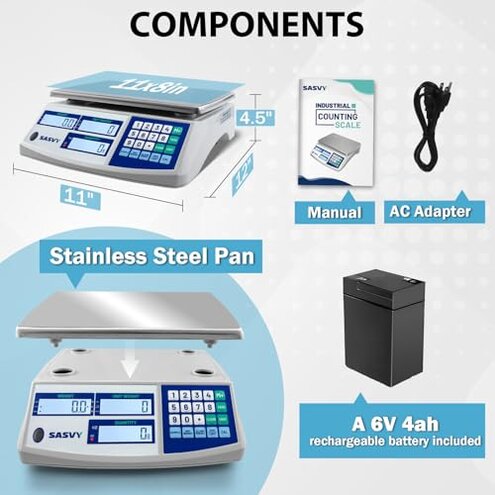
| Battery convenience | Mixed benefit, since portable use can add charging and power-state checking. | Simpler if mainly bench-powered with fewer portability expectations. |
| Category risk | Higher-than-normal risk of setup friction for a mid-priced counting scale. | Moderate risk, which is more typical for this category. |
| Regret trigger | Buying for speed and then spending extra time verifying results. | Buying for basics and usually getting usable results faster. |
Why does it feel slower to trust than a counting scale should?
Primary issue: the regret moment appears when a buyer expects quick inventory work, but instead pauses to double-check readings after setup and during early use. That trade-off is more disruptive than expected for this category because speed is a big reason people buy a counting scale.
Recurring pattern: this is not universal, but it appears repeatedly when users switch between weighing and counting tasks on first use. A reasonable category baseline is basic confidence after setup, while this can feel less forgiving until the user learns its habits.
- Early sign: frustration starts when the display looks busy and the user is not sure which number matters most.
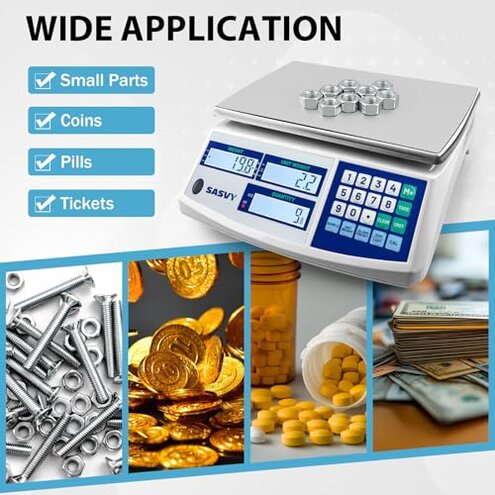
- When it hits: it shows up after setup and during the first few real counting jobs with small parts, coins, or tickets.
- Frequency tier: this is a primary complaint among negative patterns because it affects the main job of the product.
- User impact: instead of saving time, it can add extra checking steps before buyers trust piece counts.
- Why worse: most mid-range alternatives still need learning, but they usually ask for less mental sorting during basic tasks.
What if you bought it for tiny items and the results feel too sensitive?
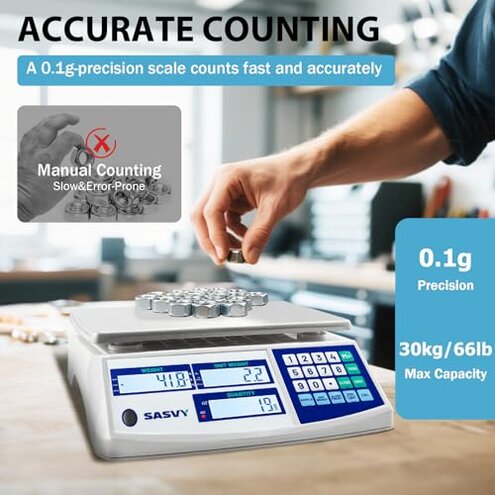
Secondary issue: some frustration centers on using a high-resolution scale for everyday small-part work, where tiny changes can feel harder to manage than expected. That becomes more annoying during repeated handling, drafts, or busy worktables.
Persistent pattern: the problem is not that sensitivity is bad by itself, but that it can feel more finicky than typical mid-range shop scales in normal environments. Buyers expecting simple “place and read” use may find the process less relaxed.
Context: this usually appears during daily use, not just unboxing, especially when fast counting matters more than lab-like care. A reasonable category expectation is stable enough readings for routine parts work, and this can feel worse-than-expected if the area is not controlled.
Does the battery feature create more upkeep than expected?
- Hidden requirement: portable use sounds easy, but battery-powered gear often works best when users also manage charging habits and power checks.
- Pattern: this is a secondary complaint that appears repeatedly among buyers who chose it for mobility.
- When: the annoyance shows up during longer sessions or when the scale is moved between benches and work areas.
- Impact: instead of pure convenience, the battery can add one more thing to monitor before a counting job starts.
- Why worse: compared with a typical bench scale, the portability benefit can come with more upkeep than some buyers expect.
- Fixability: this is partly manageable if you mostly use AC power and treat battery use as backup, not daily default.
Is the “industrial” positioning a little too reassuring for mixed real-world spaces?
- Primary regret: some buyers may expect a rugged, no-fuss experience because the product is framed for industrial or warehouse use.
- Context: that expectation collides with reality during normal daily handling, where buyers still need careful placement and stable conditions.
- Pattern: this is a persistent disappointment rather than a universal failure, but it matters because expectations start high.
- Severity: it is less frequent than setup confusion, but more frustrating when it occurs because it changes where the scale can be used comfortably.
- Baseline contrast: “industrial” usually suggests more tolerance for busy environments, so any sensitivity feels sharper than normal.
- What buyers notice: they spend extra effort creating a calm weighing spot instead of just getting on with inventory work.
- Mitigation: it fits better on a dedicated stable surface than in constantly changing, high-traffic work areas.
Could the wide feature list become a distraction instead of a benefit?
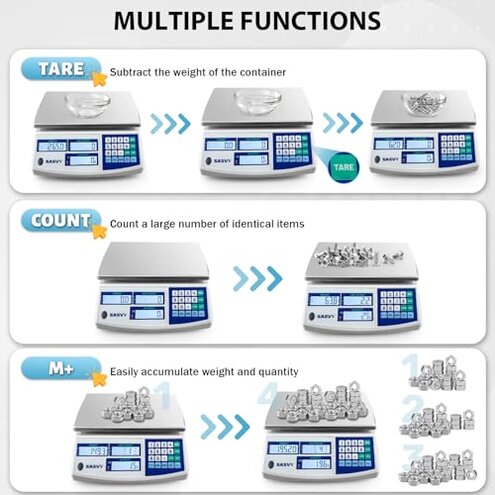
- Edge-case issue: some buyers want every mode and unit, but others just need fast weight checks and simple counting.
- When: this tension appears right after unboxing and again when users revisit functions they rarely use.
- Pattern: the complaint is less frequent than trust and stability concerns, but it still shows up across different buyer types.
- Trade-off: more functions can mean more choices, which can slow down users who expected a simpler workflow.
- Why frustrating: in this category, extra features are normal, but this can feel more cluttered than buyers expect for routine jobs.
- Best workaround: it makes more sense for users willing to leave it in one setup and learn the display logic once.
- Real cost: the hidden cost is time, not parts, because every extra step interrupts quick inventory work.
Illustrative excerpt: “I wanted quick counts, but I kept rechecking before trusting it.” Primary pattern.
Illustrative excerpt: “Portable sounded great, until charging became one more task.” Secondary pattern.
Illustrative excerpt: “It feels precise, but not as relaxed as my old shop scale.” Secondary pattern.
Illustrative excerpt: “Too many display numbers when I just need one answer.” Edge-case pattern.
Who should avoid this
- Avoid it if you need instant confidence with minimal setup, because the trust-building phase appears more involved than normal.
- Skip it if your workspace is busy, frequently bumped, or not very stable, since routine conditions can make use feel fussier.
- Pass if battery convenience is your main reason, because portable use can bring extra upkeep instead of pure freedom.
- Look elsewhere if you only want simple counts and weights, since the interface and feature mix may add friction beyond category norms.
Who this is actually good for
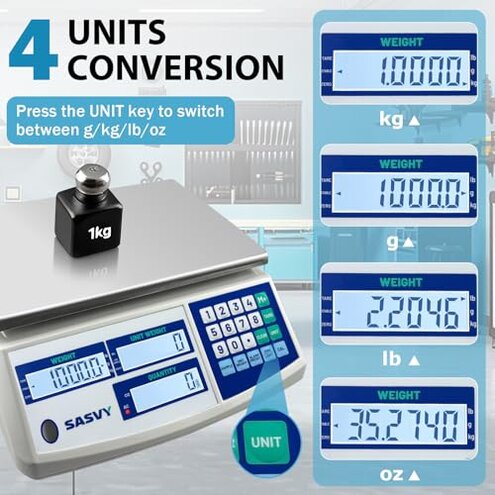
- Good fit for buyers who can leave it on a stable bench and accept a learning period in exchange for more functions.
- Reasonable fit for users who mainly use AC power and treat the battery as occasional backup, not a daily workflow feature.
- Works better for careful operators counting in controlled spaces, where sensitivity is less likely to become a daily annoyance.
- Useful enough for buyers who do not mind double-checking results and care more about feature range than speed.
Expectation vs reality
Expectation: a counting scale should save time quickly after setup.
Reality: this one can ask for extra verification first, which undercuts the main reason many buyers shop this category.
Reasonable for this category: some learning curve is normal.
Worse here: the setup-to-trust gap seems longer than expected for a typical mid-range alternative.
Expectation: battery power means easier mobility.
Reality: mobility can also mean more charging awareness and one more failure point in daily use.
Safer alternatives
- Choose simpler if your main job is basic parts counting, and prioritize a cleaner display over extra modes you may never use.
- Pick bench-first if you rarely move the scale, because AC-focused models reduce battery upkeep and power-state surprises.
- Favor stability if your workspace is active, and look for models known for calm day-to-day use rather than maximum sensitivity on paper.
- Buy for workflow instead of specs alone, because fast trust in normal conditions matters more than feature lists during real inventory work.
The bottom line
Main regret trigger: buyers often expect faster, simpler counting than the experience may deliver during setup and early daily use. That exceeds normal category risk because a mid-range counting scale should reduce checking, not add it.
Verdict: avoid it if you want low-friction counting in a busy real-world workspace. It makes more sense only if you can tolerate setup learning, controlled conditions, and a bit more upkeep than usual.
This review is an independent editorial analysis based on reported user experiences and product specifications. NegReview.com does not sell products.